Petrolimex, PV Oil, and several major fuel distributors are selling fuel at prices VND 300–350 per liter or kilogram below the regulated levels, signaling increased price competition as a new draft decree seeks to give businesses greater autonomy in setting fuel prices.
Petrolimex, Thalexim, and Vietnam Oil Corporation (PV Oil) have proactively reduced the prices of certain petroleum products by VND 300–350 per liter or kilogram below the regulated prices. The fact that several major fuel distributors are simultaneously selling below the regulated levels, with varying reductions, is an uncommon development in the petroleum market.
Under the prices effective from October 15, E10 RON 95-III gasoline had a regulated price of VND 27,020 per liter. However, Petrolimex sold it at VND 26,720 per liter, while PV Oil offered it at VND 26,670 per liter. For E5 RON 92 gasoline, the corresponding prices at the two companies were VND 26,670 and VND 26,620 per liter. Diesel 0.05S-II was also sold at VND 300–350 per liter below the regulated price.
Petrolimex applied the minimum price reduction across its entire network of service stations through October 29. Meanwhile, PV Oil implemented its price reduction program from midnight on October 16 to 3 p.m. on October 22.
This development is noteworthy as the Ministry of Industry and Trade is seeking public feedback on a draft new decree on petroleum trading, which aims to give businesses greater autonomy in determining fuel prices. If implemented, the new mechanism could create more room for price competition among businesses, rather than having them primarily apply the same regulated prices as at present.
Major Companies Cut Prices, Paving the Way for Competition in the Petroleum Market
Speaking to Dan Tri reporters, Dr. Nguyen Thuong Lang of the Institute of International Trade and Economics at the National Economics University (NEU) assessed that businesses proactively lowering selling prices below the levels regulated by the Ministry of Industry and Trade and the Ministry of Finance was a positive move, demonstrating efforts to share costs with consumers and fulfill corporate responsibilities toward the market.
According to him, a reduction of VND 300–350 per liter is relatively modest compared with previous price increases, but it still carries certain significance. The move signals that fuel prices could be adjusted downward, helping households, business owners, and enterprises save some fuel costs.
“Reducing fuel prices is also meaningful in the context of the Government's goal of promoting high economic growth while controlling inflation. Petroleum products are essential inputs for transportation, manufacturing, and goods distribution, so fuel price fluctuations can affect business costs and the overall price level,” the expert observed.
However, Dr. Nguyen Thuong Lang cautioned that the current downward trend might not last, as domestic fuel prices remain significantly dependent on global market developments and imported supply. If global oil prices rise again, domestic selling prices could come under upward pressure.
Therefore, the expert said that businesses' efforts to reduce prices should be acknowledged, but they should not yet be regarded as evidence that fuel prices will continue to decline in the coming period.
Bui Ngoc Bao, Chairman of the Vietnam Petroleum Association, said that the State sets maximum retail prices to support macroeconomic management, while businesses selling below these levels is consistent with the current mechanism. According to him, price reductions by major companies such as Petrolimex and PV Oil could provide a leading signal for the market.
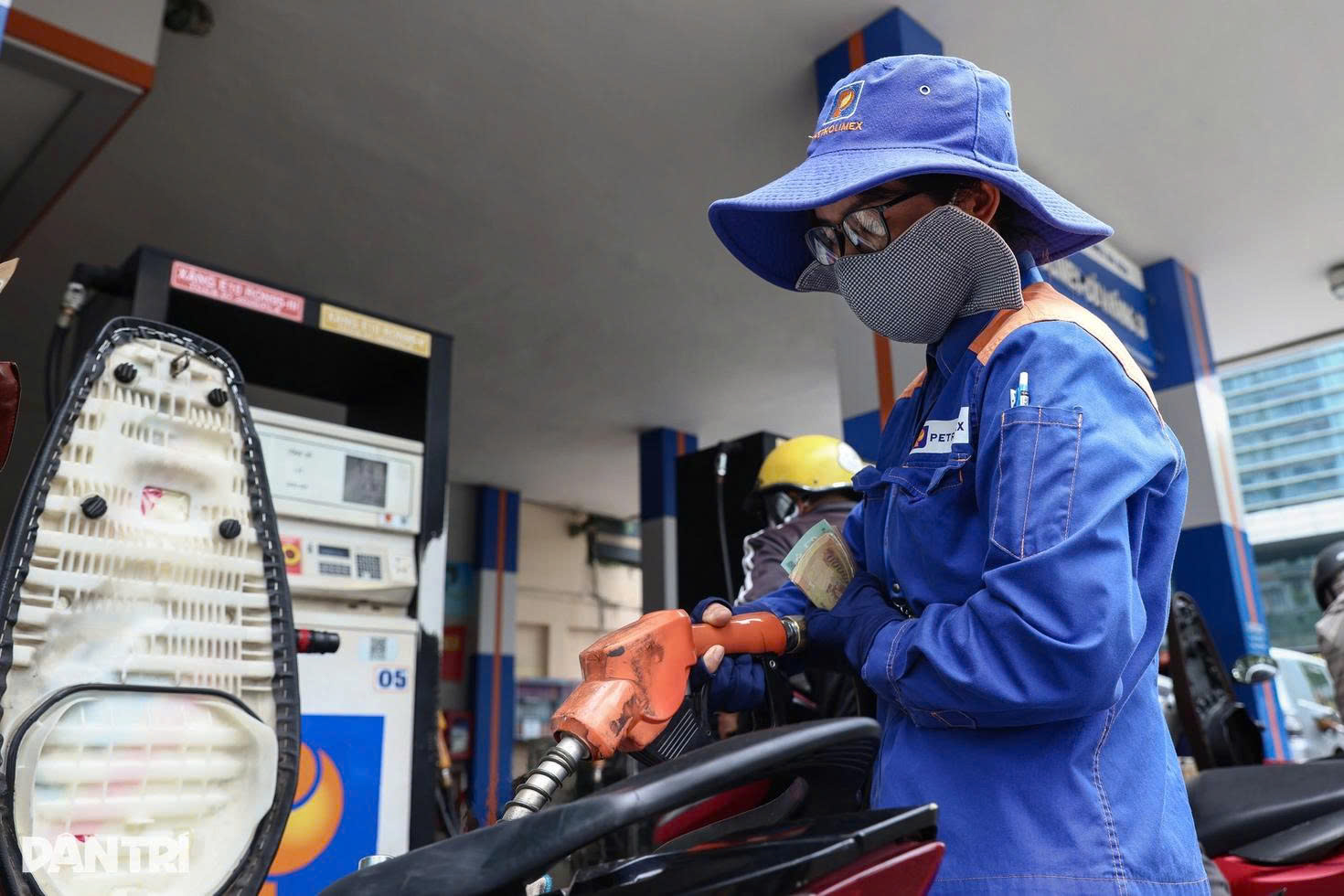
A staff member refuels a vehicle with E10 gasoline at a service station in Ho Chi Minh City in June. (Photo: Nam Anh)
He noted that this development also offers a glimpse of how the petroleum market may operate in the future as businesses are granted greater autonomy in setting selling prices.
“In that case, price differences between fuel stations and fluctuations across brands will become entirely normal, rather than prices being entirely dependent on a common level set by the State as before,” Mr. Bao said.
Transparency Is Essential for Genuine Competition
According to Dr. Nguyen Thuong Lang, businesses' greater autonomy in adjusting selling prices also creates a stronger need for transparency in petroleum trading. As businesses are granted more pricing discretion, regulatory authorities need a sufficiently robust data system to monitor the factors that determine prices, including import prices, import volumes, inventory levels, operating costs, and the profits of individual businesses.
These data should be regularly updated and cross-checked to identify unusual fluctuations, rather than relying solely on reports submitted by businesses.
According to the expert, transparency in both input costs and output prices would enable regulatory authorities to assess whether selling prices are consistent with cost developments and market conditions. It would also help limit the risk of businesses abusing their pricing autonomy to impose unreasonable prices or manipulate the market.
In addition to a data system, Dr. Lang proposed coordination among specialized regulatory authorities, market surveillance forces, and consumer protection organizations. Feedback from buyers could also provide additional information to help authorities identify unusual pricing practices or potentially irregular business activities.
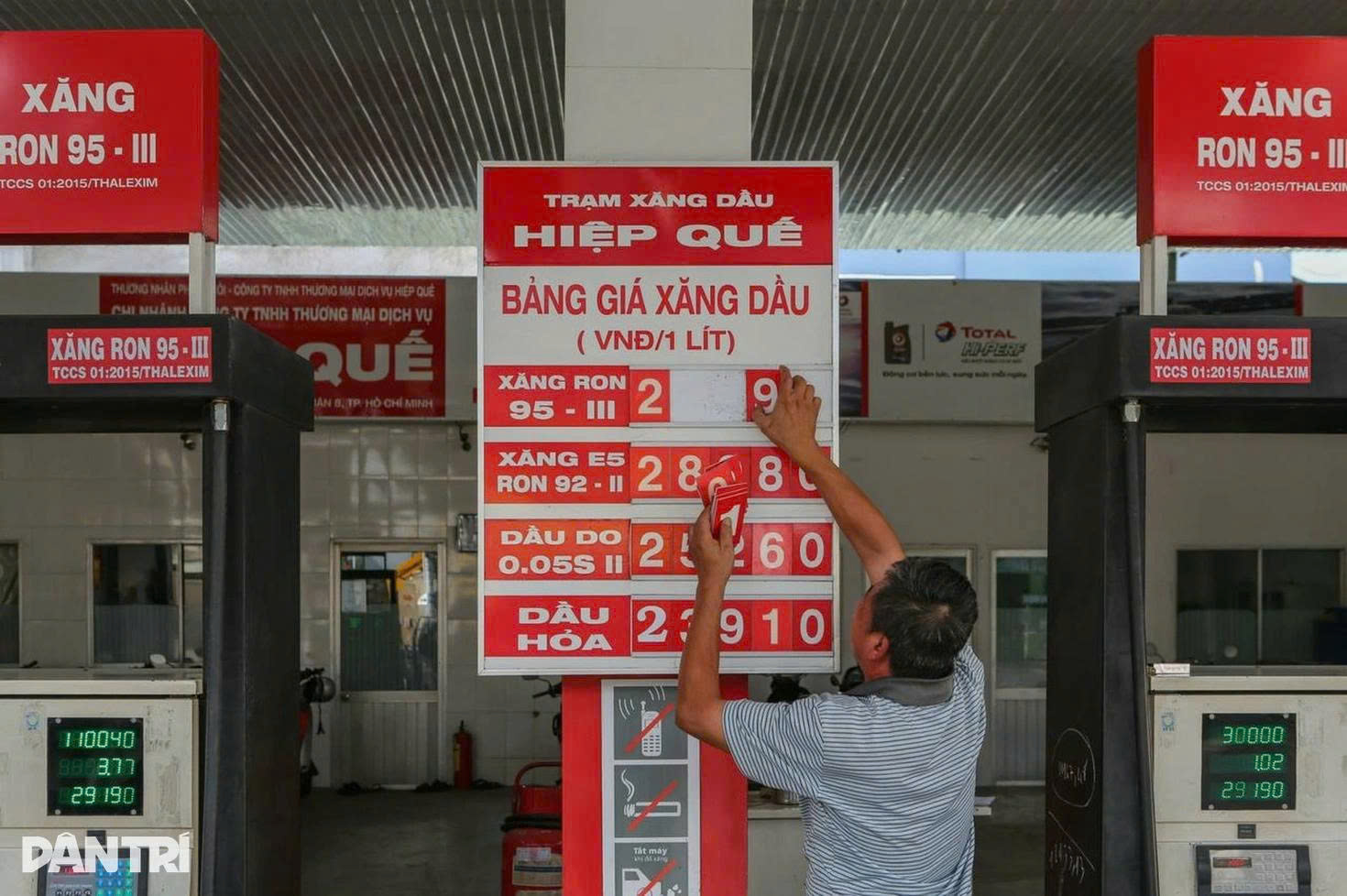
A staff member changes fuel prices at a service station in Ho Chi Minh City. (Photo: LP Thien)
Another requirement is ensuring adequate petroleum reserves. According to Dr. Lang, even if the market operates more flexibly under a price-based mechanism, the State must maintain reserves to safeguard energy security and respond to unexpected fluctuations. Major fuel distributors should also maintain adequate reserves to prevent supply disruptions when global prices rise sharply.
In the long term, Dr. Nguyen Thuong Lang believes that diversifying supply sources and promoting the transition to clean energy will also play important roles. As the economy gains access to more alternative energy sources, its dependence on petroleum will decline, thereby reducing the impact of price shocks in international markets.
According to the expert, the effectiveness of the new mechanism will depend not only on granting businesses autonomy over selling prices but also on the level of preparedness in terms of data, reserves, monitoring mechanisms, and penalties for violations. If these conditions are established in a coordinated manner, greater pricing autonomy could help promote competition and deliver tangible benefits to consumers.
Under Decree No. 80/2023/ND-CP, fuel prices are adjusted on a regular basis every Thursday. Regulatory authorities announce maximum retail prices as a reference for businesses to determine their own selling prices.
The proactive price reductions by major fuel distributors such as Petrolimex, Thalexim, and PV Oil demonstrate that room for price competition already exists under the current mechanism. Under the new mechanism, the challenge will be to ensure that pricing autonomy is accompanied by information transparency and effective supervision, so that competition delivers tangible benefits to consumers.