The State Audit Office of Vietnam (SAV) is making a strong shift from compliance auditing toward assessing the economy, effectiveness, and efficiency of the management and use of public resources. For construction investment projects, the challenge is not only to identify irregularities in documentation, but also to detect unreasonable aspects that may exist even when design, acceptance, and final settlement procedures are all complete and compliant with regulations.
From “Procedural Compliance” to Substantive Efficiency
In the inspection and auditing of construction investment projects, there are many projects with complete acceptance and final settlement documentation and sound compliance with legal procedures. However, once put into operation, their socio-economic efficiency may fall short of initial expectations, and in some cases, the resources invested may be wasted. This highlights a notable gap in public investment management: a project may comply with procedures but still fail to deliver efficiency commensurate with the resources invested.
For irregularities involving calculations, supporting documents, or quantities, auditors can identify them through cross-checking records and accounting books. However, unreasonable aspects arising from technical design solutions are more difficult to detect. If the scale, structural design, or construction method selected exceeds actual requirements but still passes the appraisal and approval stages, the project may remain procedurally compliant. In other words, complete documentation does not always mean that the investment solution is reasonable.
According to Associate Professor and PhD Nguyen Van Vi of the University of Transport Technology, through his participation in scientific peer reviews, he has encountered numerous cases in which consulting firms proposed design solutions that exceeded actual requirements. One of the reasons, he said, is related to the mechanism for calculating design consulting costs as a percentage of total investment. As the project scale and construction value increase, the consulting firm’s design costs also rise accordingly.
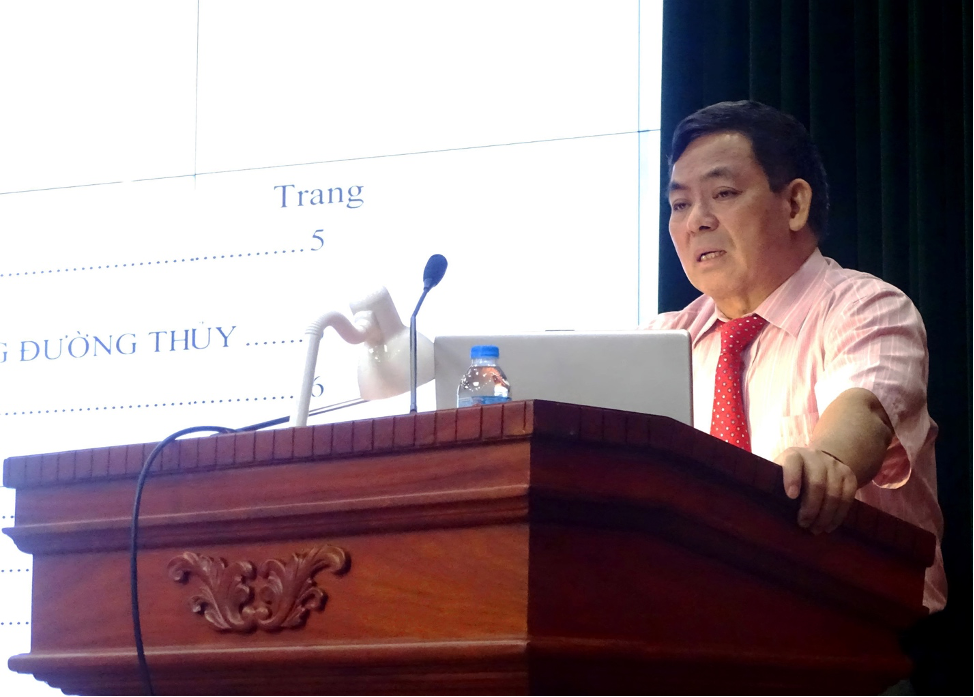
Associate Professor and PhD Nguyen Van Vi of the University of Transport Technology speaks at a training session organized by the SAV.
In addition to inappropriate design solutions, another area requiring attention is design appraisal. Under current regulations, investors hire independent consulting firms to review design documents. However, if the design consultant and the appraisal consultant collude, controlling the quality and reasonableness of the design solution becomes difficult. Meanwhile, investors, particularly state management agencies, do not always possess sufficient specialized expertise to examine every type of construction project.
Associate Professor and PhD Nguyen Van Vi emphasized: “When the design and appraisal consultants collude, it becomes very difficult for the investor, as the representative of State funds, to exercise effective control. Therefore, additional independent professional bodies are needed to conduct reviews and ensure objectivity. The efforts by the Party, the State, and the SAV to strengthen the inspection and control of public resources are essential, because State resources are, in essence, the people’s money.”
Improving Audit Quality from the Design Stage
The above realities place higher demands on auditors when assessing the economy, effectiveness, and efficiency of projects. Auditing cannot stop at asking, “Are the documents compliant?” It must go one step further: “Is this solution genuinely necessary and reasonable, and does it generate an appropriate level of efficiency relative to the resources invested?”
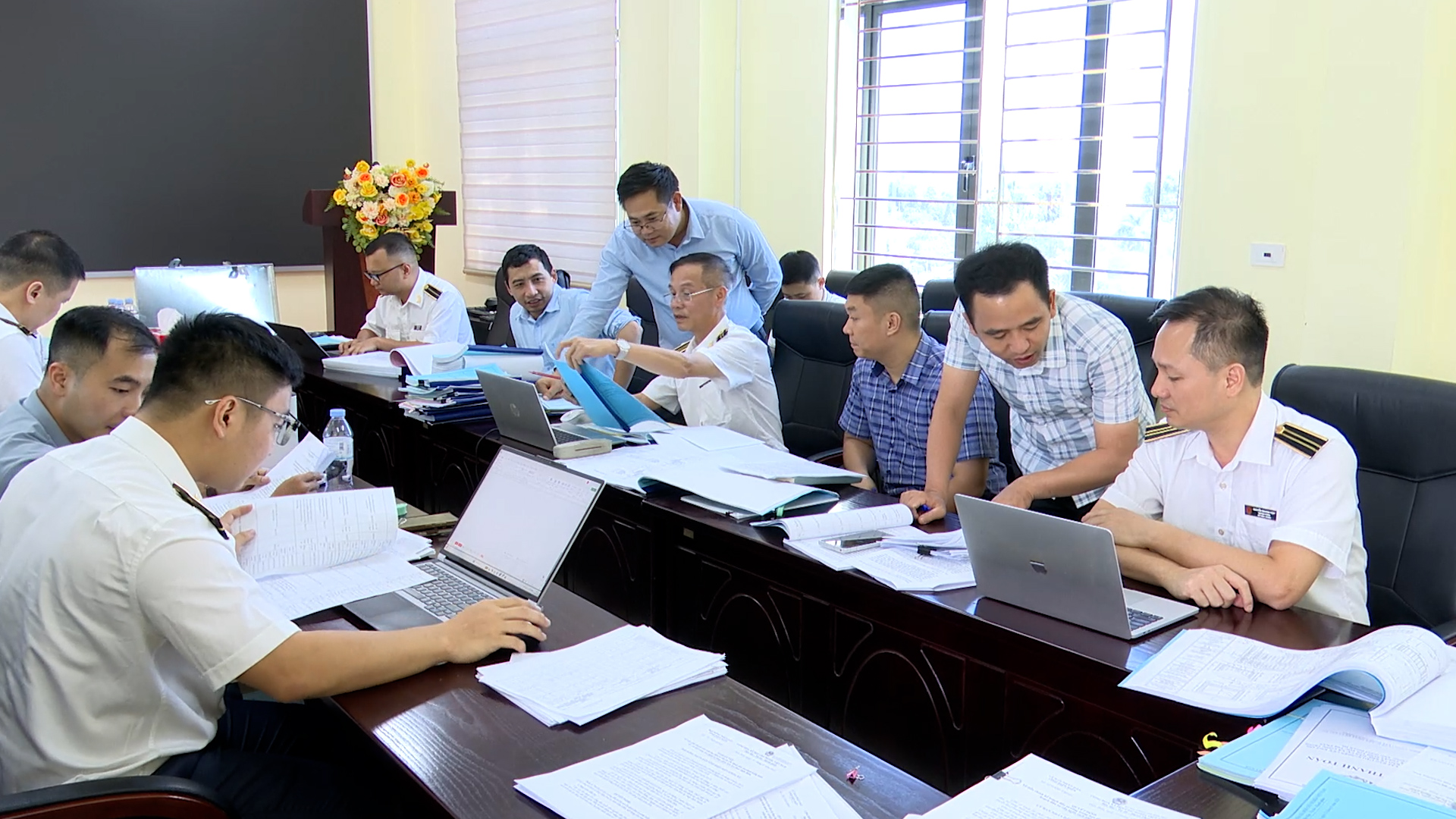
The SAV is making a strong shift from compliance auditing toward assessing the economy, effectiveness, and efficiency of the management and use of public resources.
Auditors must not only examine documents and data but also understand the technical factors that determine investment costs and efficiency.
For inland waterway and waterborne transport infrastructure projects, underwater geological conditions, hydrology, water flow, and supporting construction measures such as floating systems, temporary working platforms, cofferdams, and other facilities may account for a significant share of costs. If auditors only examine norms and unit prices without understanding the actual construction methods and equipment used, it will be difficult for them to assess whether a design solution is appropriate and economical.
Understanding construction technologies enables auditors to compare the design, construction methods, and actual site conditions, thereby identifying unreasonable aspects that may be difficult to detect through document-based reviews alone.
This represents the dividing line between verifying the correctness of documentation and assessing the actual quality of an investment decision.
Therefore, training and continuously updating auditors’ technical expertise are becoming increasingly important in auditing construction investment projects. As audit subjects become increasingly complex, the requirements placed on auditors can no longer be limited to the ability to review documents and cross-check figures.
Strengthening Independent Controls and Enhancing Training Quality
To limit unreasonable aspects from the investment preparation stage, Associate Professor and PhD Nguyen Van Vi believes that an independent cross-checking mechanism should be strengthened, with scientific councils or independent experts involved in reviewing project designs for major projects. In his view, this would add another layer of control and reduce the risk of collusion among consulting firms.
For the audit authority, an important solution is to continue strengthening the technical expertise of its officials and auditors.
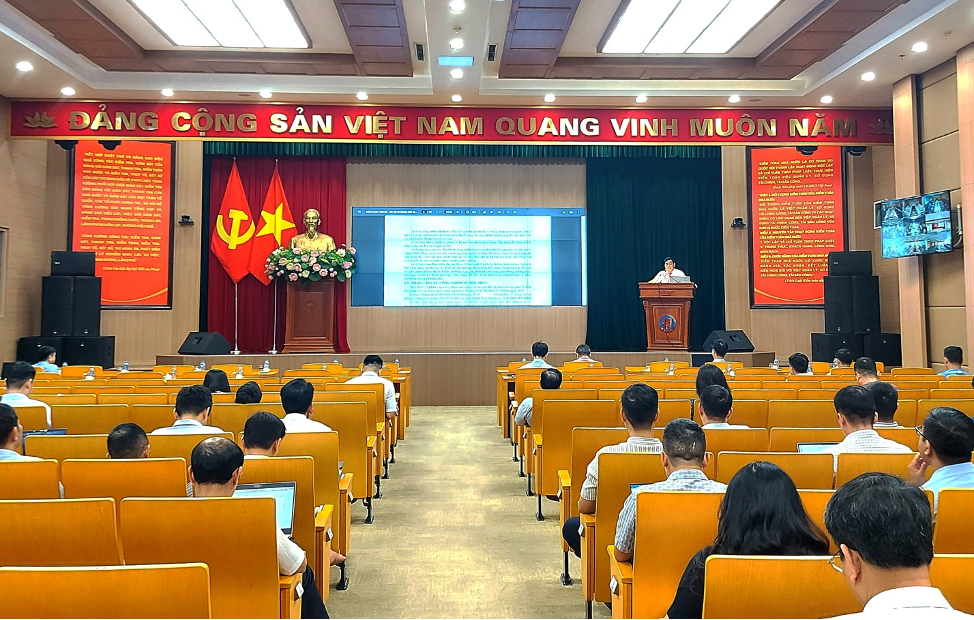
At a training session organized by the SAV in September 2026.
Drawing on his teaching experience, Associate Professor and PhD Nguyen Van Vi said that, at the university level, specialized knowledge of inland waterway and waterborne transport infrastructure is typically provided through 6–8 courses, with more than 300 instructional hours. Therefore, one-day internal training programs can provide general knowledge, but are unlikely to replace in-depth training programs.
According to him, the SAV could consider organizing longer training courses, lasting around 2–3 weeks, for specific specialized fields. When auditors understand the technology behind the figures presented in project documents, their assessment of a project’s economy, effectiveness, and efficiency will have a more substantive foundation.
Ultimately, public investment is not merely about whether money has been spent in accordance with procedures, but about how that money has been transformed into infrastructure, services, and development value.
Therefore, for construction investment projects, being “procedurally compliant” is only the starting point. The ultimate goal of public resource management must be to meet actual needs, maintain an appropriate scale, ensure cost-effectiveness, and generate commensurate results. When a design solution increases costs without creating additional value, or when an invested project fails to deliver the expected benefits, the issue is no longer merely procedural.
This is also why auditing must continue shifting from examining what has already occurred toward assessing the quality of management decisions—from identifying irregularities in documentation to detecting risks that could lead to waste of public resources from the earliest stages of investment.
For State resources, “compliance with regulations” is a mandatory requirement; “economy, effectiveness, and efficiency,” however, are the more comprehensive measures of governance quality.