Data should not only be regarded as a source of information for individual audits but also as a digital asset of the State Audit Office of Vietnam (SAV), requiring centralized management, consistent utilization and long-term reuse to support auditing activities, management, administration and strategic planning.
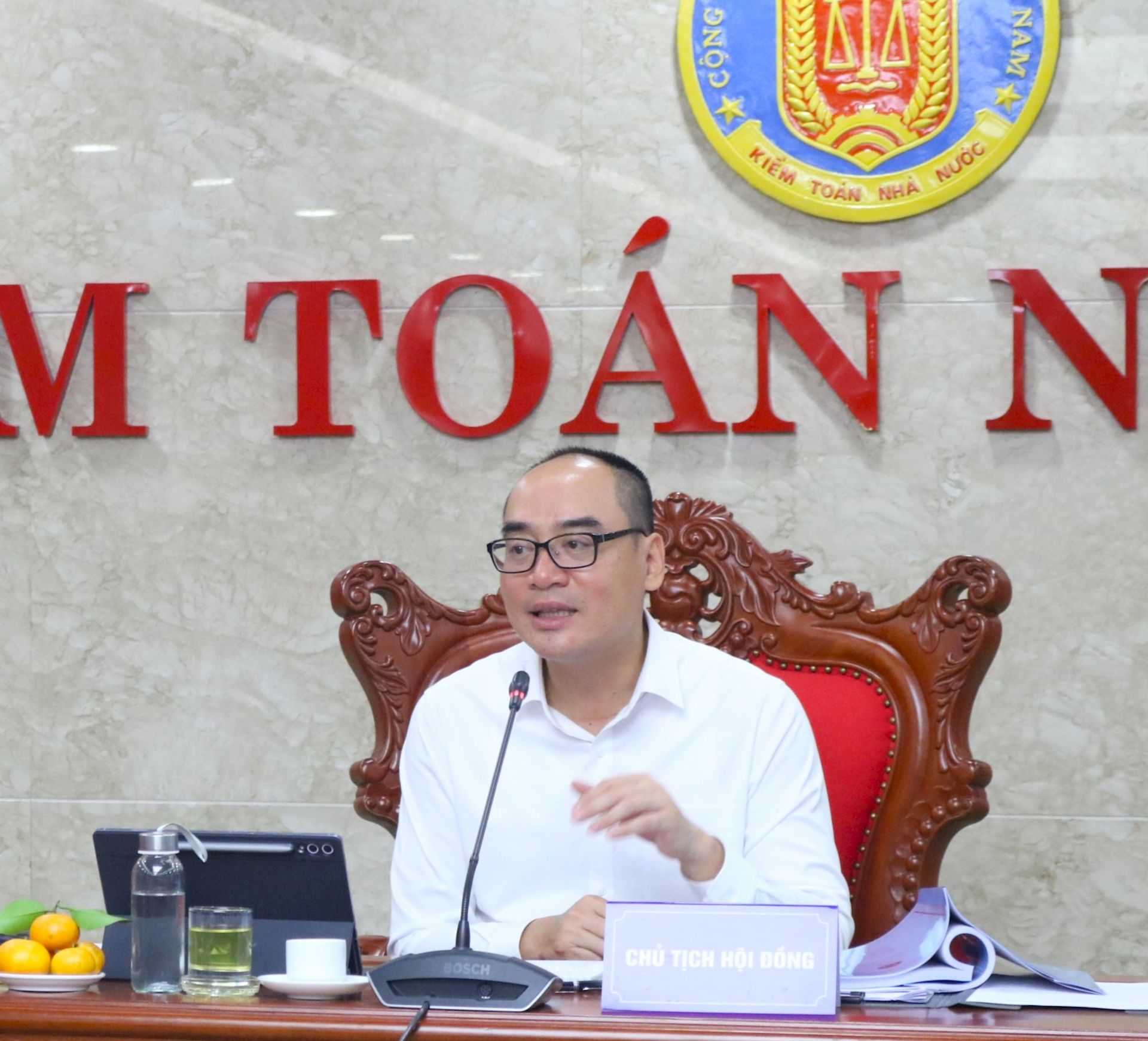
Deputy Auditor General Bui Quoc Dung chairs the meeting. Photo: N.LY
On the morning of November 10, Deputy Auditor General Bui Quoc Dung chaired a meeting of the SAV Scientific Council to evaluate and approve the ministerial-level scientific research project entitled "Solutions for Organizing, Managing and Analyzing Big Data in Auditing," led by Dr. Pham Huy Thong, Director General of the Information Technology Department.
The meeting was attended by members of the Evaluation Council and the research team.
Presenting the research findings, Dr. Pham Huy Thong stated that, in auditing activities, the rapid growth in data volume, diversity and generation speed requires the modernization of methods for organizing, managing and utilizing data in a scientific, systematic and digitally driven manner.
The application of big data and advanced analytics technologies not only contributes to improving audit quality and efficiency but also meets the requirements for developing a digital SAV, in line with the development trends of supreme audit institutions worldwide.
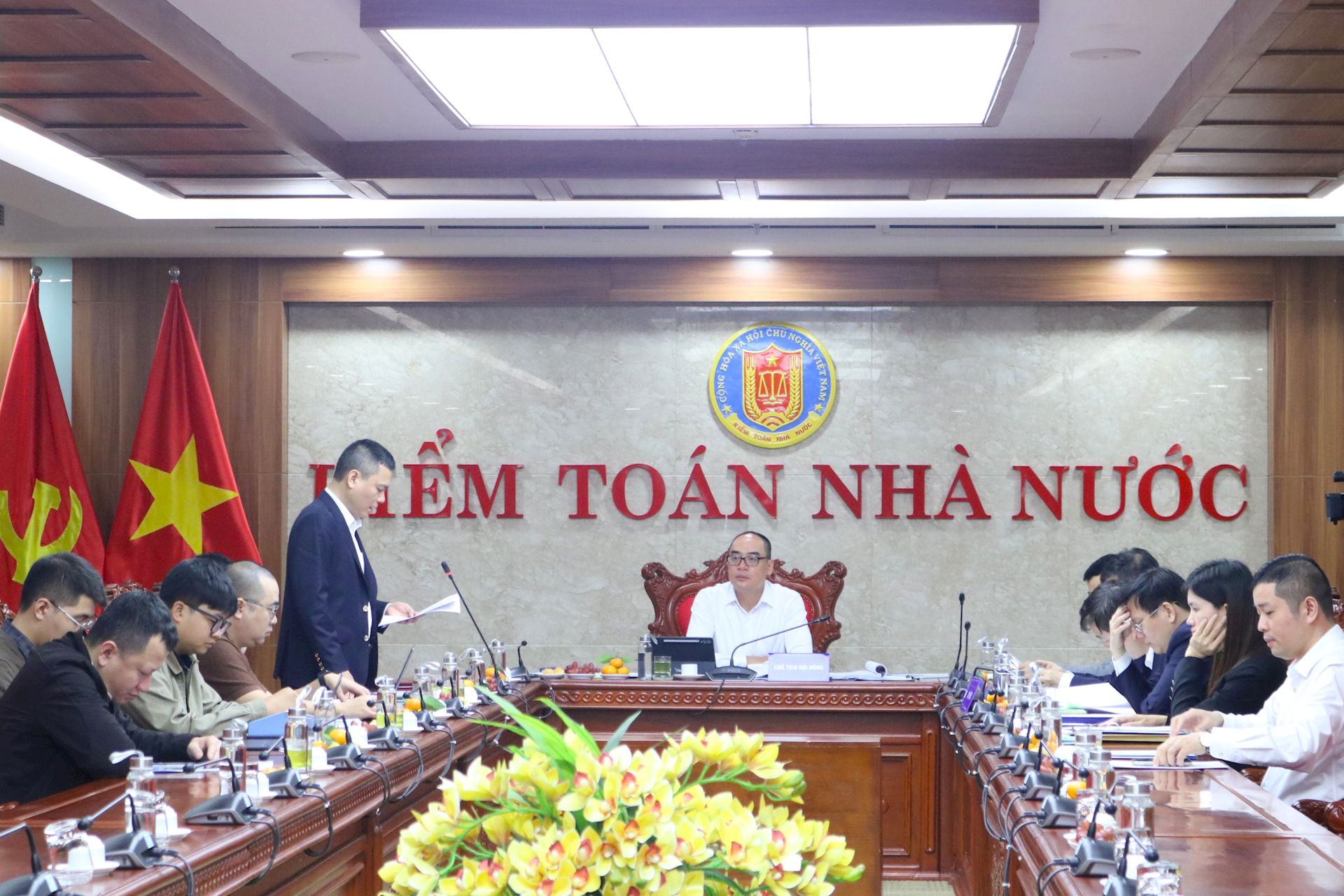
Overview of the meeting. Photo: N.LY
Assessing SAV's current situation, Dr. Pham Huy Thong noted that SAV has achieved many positive results in applying information technology, developing information systems and gradually implementing data analytics activities.
However, data collection, organization and utilization still face numerous limitations due to fragmented and insufficiently standardized data; limited data connectivity and sharing with ministries and government agencies; and technological infrastructure and human resources that do not yet fully meet the requirements for implementing big data analytics and artificial intelligence in auditing. These limitations hinder the transition from traditional auditing methods to data-driven auditing.
Based on the research findings, the research team proposed a centralized and unified model for organizing, managing and utilizing big data across SAV. The proposed model includes establishing a centralized audit data repository, standardizing data, developing data governance mechanisms, strengthening information technology infrastructure, ensuring data security, expanding data connectivity and sharing with ministries and government agencies, and developing data analytics tools and artificial intelligence applications to support auditing activities.
In addition, the research team proposed solutions for organizational restructuring, human resource training and the development of a team of data analytics specialists to ensure long-term sustainability during implementation.
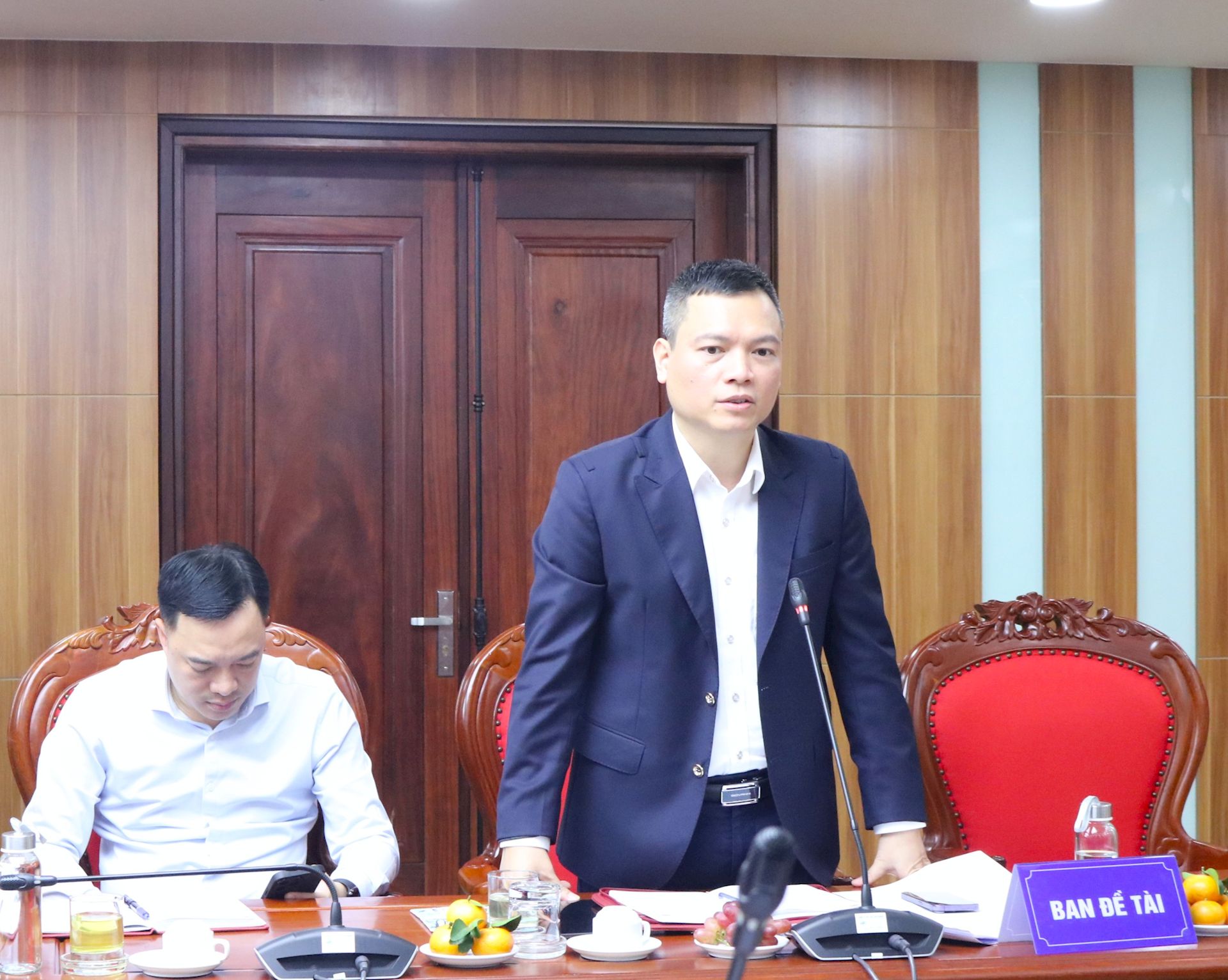
According to Dr. Pham Huy Thong, data collection, organization and utilization still face numerous limitations. Photo: N.LY
One of the project's key solutions is the proposed application of data analytics throughout the entire audit process, from audit planning and the selection of audit topics and entities to audit execution, consolidation of audit results and monitoring the implementation of audit recommendations.
This approach helps improve objectivity, risk detection capabilities, resource utilization efficiency and the quality of audit evidence, while establishing a foundation for implementing digital auditing and continuous auditing in the future.
The application of artificial intelligence and emerging digital technologies should follow an appropriate roadmap, supported by standardized data, integrated technological infrastructure and personnel with sufficient professional expertise. AI is regarded as a tool to assist auditors in processing, analyzing and utilizing data, rather than replacing their professional judgment, responsibility for drawing conclusions or accountability for audit results. This is an important principle for ensuring the independence, objectivity and reliability of auditing activities, Dr. Pham Huy Thong emphasized.
Highly appreciating the research team's findings, members of the Evaluation Council commented that, from a theoretical perspective, the project had systematically examined issues relating to big data, big data analytics and data governance in auditing. It also clarified the role of data in the transition from traditional auditing methods to data-driven auditing.
From a practical perspective, the project focused on assessing the current state of data organization, collection, management, utilization and analysis at SAV. Based on this assessment, it proposed solutions relating to data governance models, technological infrastructure, data connectivity and sharing, big data analytics, artificial intelligence and human resource development.
To further improve the project, Mr. Le Thanh Tung, M.A., Deputy Director of the Information Technology Center under the Ministry of Home Affairs (Reviewer 1), suggested that, to upgrade infrastructure in a coordinated manner with databases and according to a clearly defined roadmap, SAV should identify investment needs and assess existing conditions to ensure alignment with operational and data utilization requirements. Regarding AI applications, particular attention should be paid to the timing of implementation at each stage to ensure the appropriate use of technology.
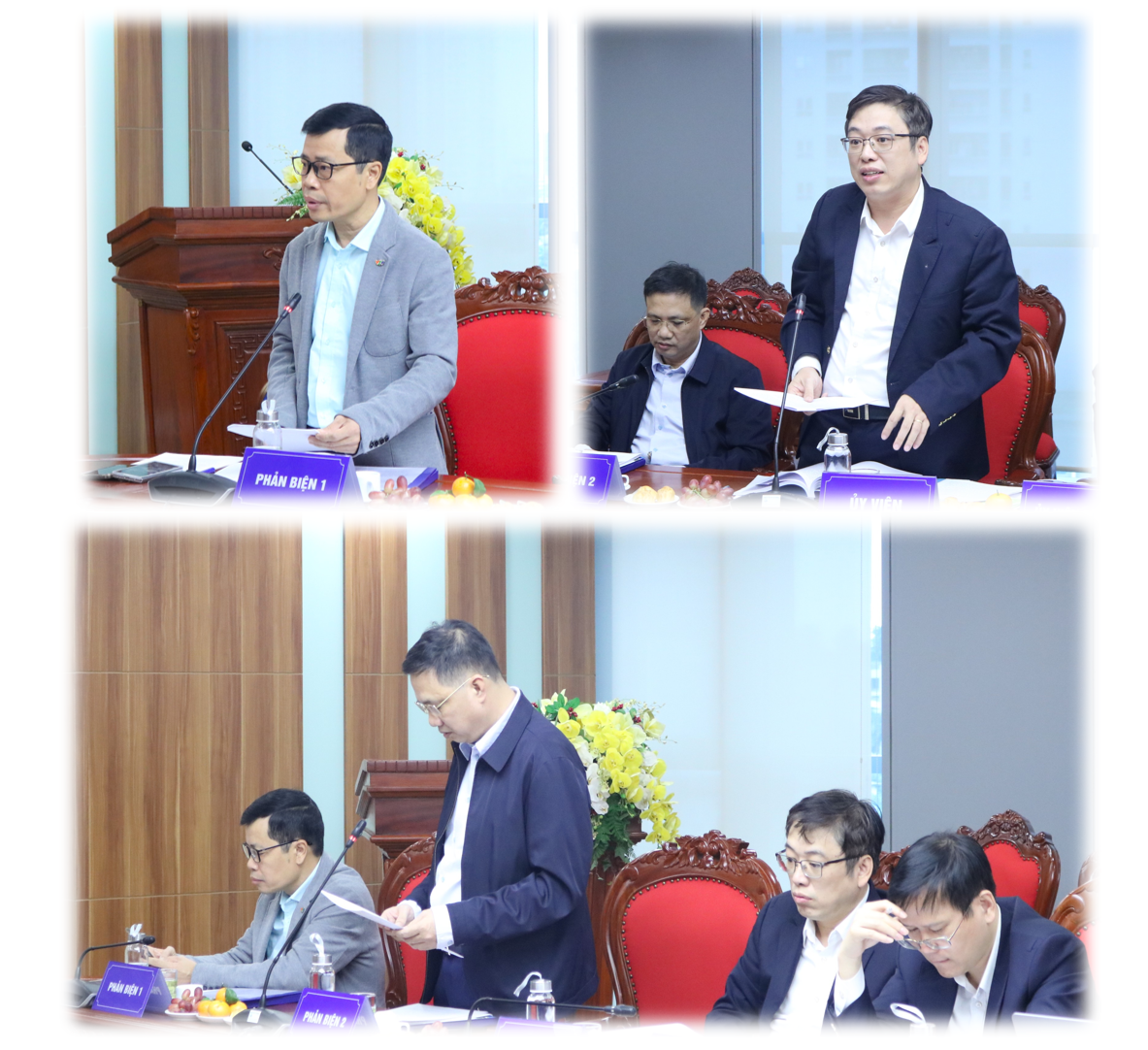
Members of the Evaluation Council highly appreciated the research team's findings. Photo: N.LY
Dr. Le The Sau, Deputy Chief Auditor of SAV's Specialized Audit Department VI (Reviewer 2), emphasized that, in auditing practice, the value of big data lies not only in the ability to collect and process large volumes of information but, more importantly, in data quality, reliability and verifiability. These factors ensure that analytical results can effectively support risk assessment, materiality determination and audit evidence collection.
Based on the identified limitations, the research team should further highlight the prerequisites for implementation, particularly data standardization, quality control and mechanisms for data connectivity and sharing. This would help clarify implementation priorities and feasibility, providing a basis for deploying solutions according to a roadmap suited to SAV's actual conditions and available resources.
Members of the Evaluation Council also recommended that the research team supplement and specify the legal and regulatory documents that need to be issued or amended concerning the management and analysis of big data in auditing; provide additional empirical evidence to strengthen the persuasiveness of the proposed solutions; include a preliminary assessment of financial resources; and further clarify the potential for expanding pilot results to other areas.
Concluding the meeting, Deputy Auditor General Bui Quoc Dung requested the research team to thoroughly consider and incorporate the Council's feedback, particularly by supplementing actual figures and data to provide specific evidence supporting each observation and assessment of the current situation, as well as incorporating case study and experimental research methods.
Given that the Information Technology Department is the unit responsible for managing, utilizing and applying information technology across SAV, the research team can proactively pilot new models and analytical tools using existing data sources, thereby assessing their effectiveness and forecasting potential outcomes if implemented throughout SAV. Furthermore, solutions involving artificial intelligence, continuous auditing and real-time data utilization should continue to be researched and refined during practical implementation.
These findings will serve as important references for developing SAV's data development strategy, improving its data governance model and implementing digital transformation solutions, thereby enhancing the quality, effectiveness and efficiency of auditing activities in the new period.
The Evaluation Council rated the research project as Good.