CPA VIETNAM AUDITING COMPANY LIMITED
Qualified services, global understanding and vision

Dòng tiền chọn lọc khi nguồn cung bất động sản tăng

26/03/2026 - 23:39      77 view
Dù nguồn cung bất động sản đang tăng mạnh, thị trường bước vào giai đoạn phân hóa, với thanh khoản tập trung vào các sản phẩm chất lượng và nhà đầu tư thận trọng hơn…
Nội dung chính[ẩn][hiện]

Dù nguồn cung bất động sản đang tăng mạnh, thị trường bước vào giai đoạn phân hóa, với thanh khoản tập trung vào các sản phẩm chất lượng và nhà đầu tư thận trọng hơn…

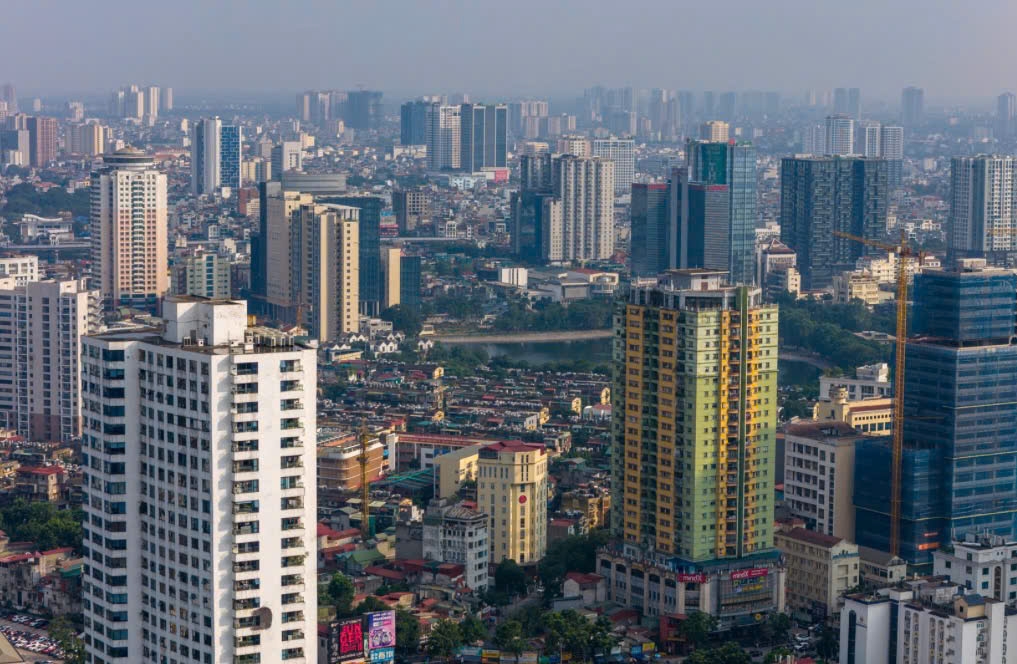
Ảnh minh họa.

Ảnh minh họa.

Từ đầu năm 2023, thị trường bất động sản Việt Nam bắt đầu ghi nhận sự phục hồi về nguồn cung sau giai đoạn sụt giảm kéo dài từ năm 2018. Dữ liệu nghiên cứu từ Viện Nghiên cứu đánh giá bất động sản Việt Nam cho thấy tổng nguồn cung đã tăng từ hơn 40.000 sản phẩm năm 2022 lên 128.000 sản phẩm mới trong năm 2025, tăng khoảng 88% so với năm 2024 và là mức cao nhất trong giai đoạn 2019-2025. 

THỊ TRƯỜNG CÓ SỰ PHÂN HÓA

Nguồn cung phục hồi cùng với những điều kiện vĩ mô thuận lợi như: lãi suất thấp và dòng tiền dồi dào, càng thúc đẩy nhu cầu “nén” trong giai đoạn khan hiếm trước đó xuống tiền, khiến giá bất động sản đã liên tục tăng và thiết lập mặt bằng mới. Nhiều nhà đầu tư ghi nhận mức sinh lời ấn tượng, thậm chí tăng gấp đôi giá trị tài sản chỉ trong vòng 1-2 năm. Đặc biệt vào quý 3/2025, giá căn hộ ở một số khu vực tăng thêm từ 500 triệu đến 1 tỷ đồng mỗi căn, tạo nên làn sóng “xuống tiền nhanh - kỳ vọng lợi nhuận ngắn hạn”. Các dự án mở bán “hàng ra là hết”, thậm chí các giao dịch chênh lệch để sở hữu sản phẩm diễn ra phổ biến.

Tuy nhiên, từ cuối năm 2025, thị trường bắt đầu chuyển trạng thái khi nguồn cung được cải thiện rõ rệt. Hàng loạt dự án từng bị đình trệ được tháo gỡ pháp lý nhờ các điều chỉnh chính sách, cùng với hơn 20 dự án quy mô lớn được phê duyệt và triển khai mới, chủ yếu tại khu vực vùng ven gắn với hạ tầng giao thông trọng điểm. Đặc biệt, nguồn cung không chỉ tăng về lượng mà còn nâng cấp về chất, với sự xuất hiện của các khu đô thị tích hợp, đồng bộ tiện ích. Bên cạnh đó, nguồn hàng còn đến từ lượng tồn kho và sản phẩm rao bán lại của nhà đầu tư, khiến tổng nguồn cung trên thị trường gia tăng đáng kể, ước tính năm 2026 đạt khoảng 200 nghìn sản phẩm. 

Sự gia tăng nguồn cung giúp người mua có nhiều lựa chọn hơn, từ phân khúc, khu vực đến loại hình sản phẩm. Thậm chí, nhờ chính sách bán hàng linh hoạt như giãn tiến độ thanh toán, hỗ trợ lãi suất, người mua có thể tham gia thị trường với tỷ lệ vốn ban đầu chỉ khoảng 10-30% giá trị sản phẩm.

Tuy nhiên, giữa bối cảnh lãi suất tăng nhanh trong thời gian ngắn, tâm lý thị trường trở nên thận trọng hơn. Thanh khoản không còn dàn trải mà chuyển sang trạng thái chọn lọc, phản ánh rõ sự phân hóa dòng tiền. Các giao dịch thành công chủ yếu tập trung ở sản phẩm căn hộ hoặc dự án có vị trí tốt, pháp lý rõ ràng và mức giá hợp lý. Song song với đó, tại nhiều khu vực từng tăng nóng, giá cũng có dấu hiệu đi ngang hoặc điều chỉnh nhẹ, khiến áp lực tâm lý đối với nhà đầu tư gia tăng.

Ông Trần Quang Trung, Giám đốc Phát triển kinh doanh OneHousing cho rằng khi thời điểm thanh khoản thị trường chậm, một số nhà đầu tư ngắn hạn buộc phải điều chỉnh chiến lược, thậm chí chấp nhận bán tài sản với lợi nhuận thấp hơn kỳ vọng. Ngược lại, nhóm nhà đầu tư có nguồn vốn tích lũy tốt có khả năng linh hoạt hơn trong việc tái cấu trúc khoản vay và giảm áp lực tài chính. Điều này thể hiện thị trường đang bước vào giai đoạn sàng lọc mạnh mẽ.

CÁCH TIẾP CẬN CẦN THỰC CHẤT HƠN

Trước thực trạng này, bà Phạm Thị Miền, Phó Viện trưởng Viện Nghiên cứu đánh giá thị trường bất động sản Việt Nam, nhận định cách tiếp cận của nhà đầu tư cần thay đổi theo hướng thực chất hơn. Việc đánh giá một sản phẩm phải đặt trong tương quan với mặt bằng khu vực, khả năng khai thác dòng tiền và thời gian hoàn vốn. Thị trường không còn phù hợp với chiến lược đầu tư ngắn hạn, mà đòi hỏi tầm nhìn trung và dài hạn, gắn với giá trị sử dụng thực và hiệu quả tài chính. 

Nhà đầu tư nên ưu tiên sản phẩm có khả năng tạo dòng tiền, nằm tại khu vực có hạ tầng kết nối rõ ràng, pháp lý minh bạch và được phát triển bởi chủ đầu tư uy tín. Đồng thời, cần hạn chế sử dụng đòn bẩy tài chính cao và xác định chiến lược đầu tư đủ dài. Đối với dự án hình thành trong tương lai, thời gian nắm giữ nên được xác định tối thiểu từ 3-5 năm, đến khi dự án hoàn thiện và đưa vào vận hành. 

Ngoài ra, nên ưu tiên khu vực đã có hoặc dự kiến hình thành cộng đồng dân cư lớn, gắn với sự phát triển của khu công nghiệp, khu kinh tế hoặc các chính sách thu hút dân cư. Ngược lại, với khu vực dân cư thưa thớt, chưa có động lực tăng trưởng rõ ràng, dù vẫn có tiềm năng dài hạn nhưng rủi ro thanh khoản cao hơn và cần thời gian tích lũy dài hơn.

Chia sẻ tại một sự kiện bất động sản gần đây, ông Nguyễn Quốc Hiệp, Chủ tịch HĐQT Công ty cổ phần đầu tư Bất động sản Toàn Cầu (GP Invest), nhận định mặc dù thị trường có dấu hiệu phục hồi nhưng doanh nghiệp vẫn phải đối mặt với những yêu cầu khắt khe hơn, còn chủ đầu tư có thể ôm “trái đắng” nếu không nhìn nhận đúng vấn đề.

“Khách hàng ngày càng đòi hỏi cao về chất lượng và tính minh bạch. Vì thế, trong bối cảnh nguồn cung tăng, các nhà đầu tư phải có sự chọn lọc sản phẩm kỹ lưỡng và nghiên cứu thị trường sâu sắc hơn để xuống tiền đúng địa chỉ. Trong khi đó, doanh nghiệp cần tính toán mức giá phù hợp với mặt bằng chung và khả năng chi trả của các đối tượng khách hàng khác nhau”, ông Hiệp nói.

02/10/2026 6
Based on the issues initially identified in the proposed revision of the State Audit Law (SAL), Nguyen Huu Nghia, Member of the Party Central Committee and State Auditor General, has called for further review and refinement to ensure that the amendments serve two objectives: addressing shortcomings and limitations in actual auditing practice, while establishing a legal foundation that enables innovation and the future development of the State Audit Office of Vietnam (SAV).
View details
02/10/2026 8
Approximately 180 information technology (IT) proposals are currently being reviewed and categorized by the State Audit Office of Vietnam (SAV) to identify “major challenges” that address urgent needs, have a broad impact and are practically implementable. In an interview with Audit Newspaper, Pham Huy Thong, Director General of the Department of Information Technology, said that the selected challenges would not only address individual operational needs but also tackle cross-sector issues, connect data and shared platforms, and lay the groundwork for digital auditing and modernized governance.
View details
01/10/2026 11
On the afternoon of September 30, State Auditor General Nguyen Huu Nghia chaired a meeting of the Steering Committee for reviewing the implementation of the Development Strategy of the State Audit Office of Vietnam (SAV) through 2030 and formulating orientations for the development of the SAV through 2035, with a vision to 2045. The meeting focused on providing comments on the first draft of the Scheme for the Development of the SAV through 2035, with a vision to 2045.
View details
01/10/2026 11
The update focuses on areas where enhancements to PCAOB standards could have the greatest impact on audit quality and investor protection

View details
30/09/2026 16
On the morning of September 25, at the headquarters of the State Audit Office of Vietnam (SAV), the SAV Steering Committee for the Development of Science, Technology, Innovation and Digital Transformation held its regular meeting under the chairmanship of Nguyen Huu Nghia, Member of the Party Central Committee, Secretary of the SAV Party Committee, State Auditor General and Head of the Steering Committee. The meeting focused on discussing and providing comments on the Draft Digital Architecture Framework of the SAV, conducting a comprehensive assessment of digital transformation implementation results in the third quarter, and reaching agreement on key tasks and directions for the fourth quarter of 2026.
View details
30/09/2026 14
The signing of new coordination regulations between the State Audit Office of Vietnam (SAV) and the Standing Committee of the Hanoi Party Committee/Son La Provincial Party Committee, the Standing People's Councils, and the People's Committees of Hanoi and Son La Province provides an important foundation for further strengthening and improving the quality of coordination in a more proactive, regular, substantive, and effective manner, meeting the operational requirements of the SAV as well as the management and administration requirements of each locality.
View details
29/09/2026 18
Member of the Party Central Committee, Secretary of the Party Committee, and Auditor General of the State Audit Office of Vietnam (SAV) Nguyen Huu Nghia asked SAV Area I to proactively propose audit tasks appropriate to its available resources, based on the actual situation in the localities under its jurisdiction. This would enable the unit to support, accompany, and facilitate local socio-economic development while effectively serving as a bridge between the SAV and local Party committees and authorities.
View details
29/09/2026 24
On the morning of September 25, at the headquarters of the State Audit Office of Vietnam (SAV), the Steering Committee for Science, Technology Development, Innovation and Digital Transformation of the SAV held a regular meeting.

View details
28/09/2026 27
The State Audit Office of Vietnam (SAV) is making a strong shift from compliance auditing toward assessing the economy, effectiveness, and efficiency of the management and use of public resources. For construction investment projects, the challenge is not only to identify irregularities in documentation, but also to detect unreasonable aspects that may exist even when design, acceptance, and final settlement procedures are all complete and compliant with regulations.
View details
28/09/2026 22
On September 25, a preliminary conference and signing of the Coordination Regulation between the State Audit Office and the Standing Committee of the City Party Committee/Provincial Party Committee, the Standing Committee of the People's Council, the People's Committee of Hanoi City and Son La City took place.

View details
26/09/2026 30
The State Audit Office of Vietnam (SAV) Party Committee requires that the designation “national-level scientific conference” be used only when approved by the competent authority. The designation must not be used for conferences that address issues solely within the scope of the SAV, or that are organized primarily as events, commemorations, promotional activities, or do not fully meet the prescribed criteria.
View details
26/09/2026 27
On the afternoon of September 24, at the headquarters of the State Audit Office of Vietnam (SAV), Member of the Party Central Committee, Secretary of the Party Committee and Auditor General of the State Audit Office of Vietnam Nguyen Huu Nghia chaired a conference of the SAV Party Committee Standing Committee to consider a number of important matters, with a focus on discussing directions for amending and supplementing the State Audit Law.
View details
Head Office
Representative Office
Northern Branch
Ho Chi Minh City Branch
Key thời gian làm việc
Copyright © 2026 CPA VIETNAM AUDIT. All rights reserved. Website designed by Tat Thanh
Access statistics
Total visits: 487958 Currently visiting: 325
Website Policy