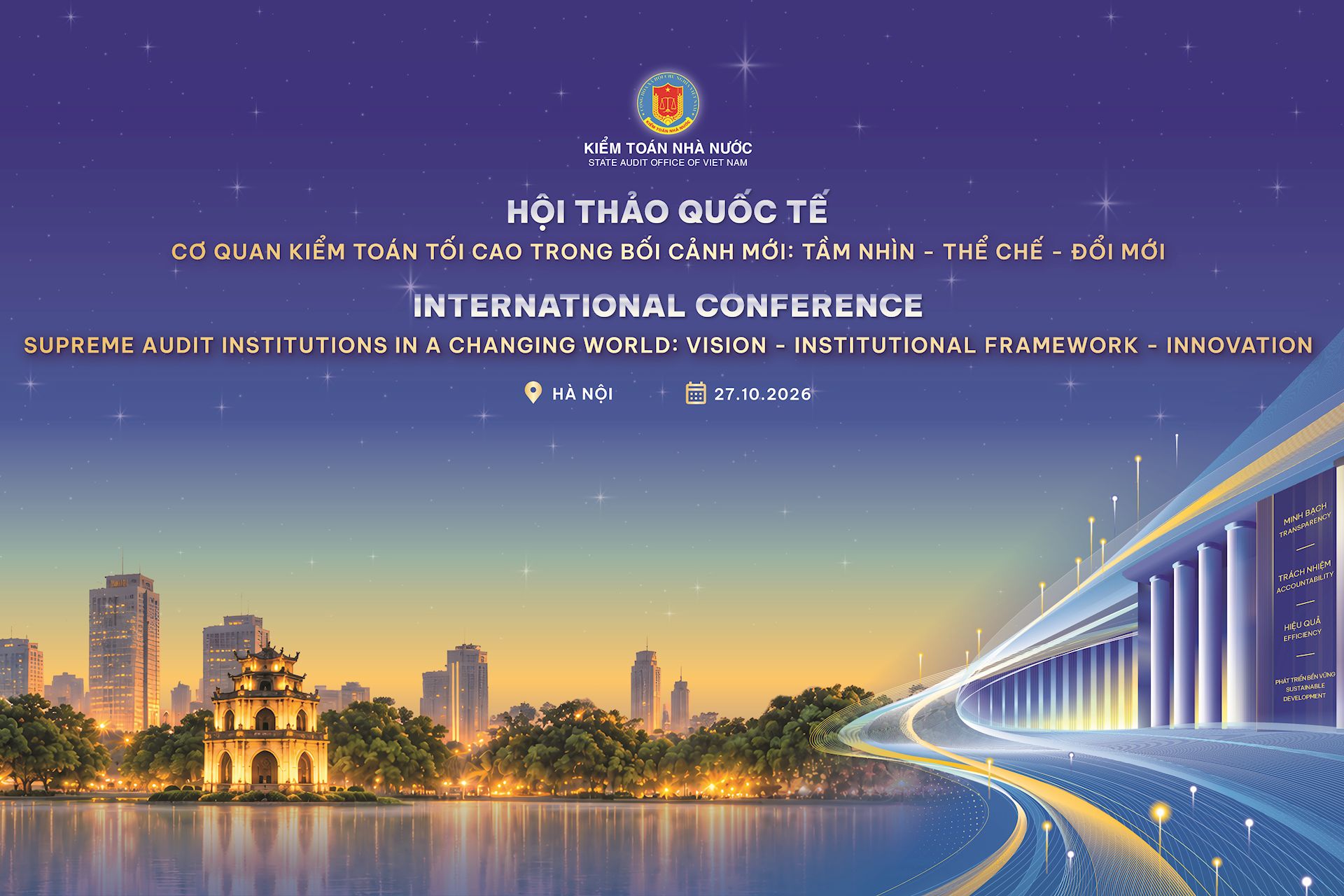
On October 27, 2026, the State Audit Office of Vietnam (SAV) will host an international conference in Hanoi under the theme “Supreme Audit Institutions in a Changing World: Vision, Institutional Framework and Innovation.”
The conference takes place against a backdrop of geopolitical conflicts, financial volatility, climate change and rapid technological development, all of which are creating new demands for national governance. Economic growth, public debt and fiscal risks require countries to manage and use public resources more efficiently, while artificial intelligence (AI), big data and digital transformation are reshaping governance and auditing practices.
In this context, Supreme Audit Institutions (SAIs) face the challenge of safeguarding their independence, credibility and integrity while improving audit quality, strengthening transparency and accountability, and enhancing the effectiveness of their service to citizens.
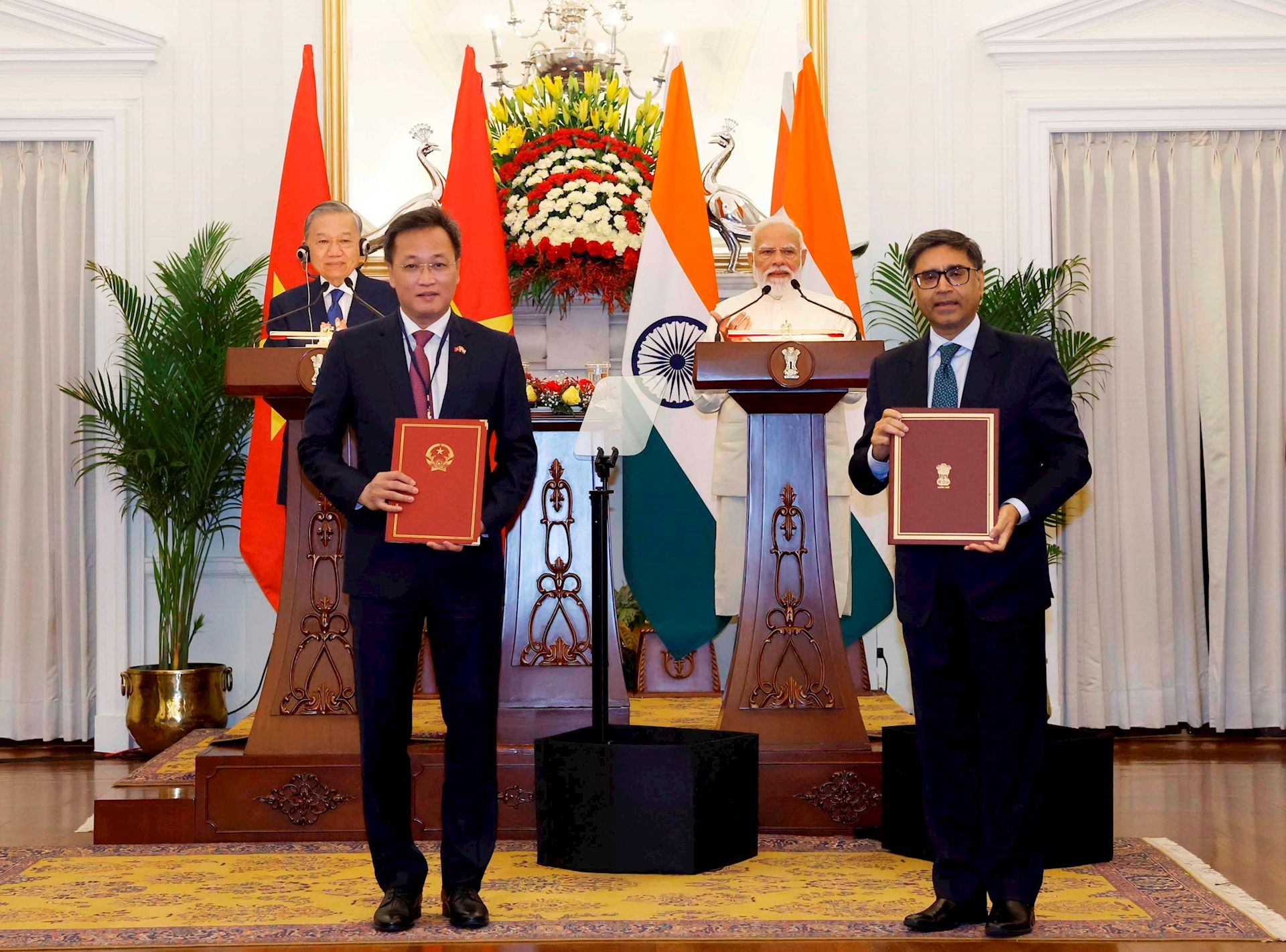
General Secretary and State President To Lam and Indian Prime Minister Narendra Modi witness the exchange of cooperation documents between the State Audit Office of Vietnam and India in May 2026.
International declarations and standards, including the Sharm El-Sheikh Declaration adopted at the International Organization of Supreme Audit Institutions (INTOSAI) Congress in October 2025 and INTOSAI-P 12, emphasize the need to enhance the value and impact of auditing through innovation and adaptation to emerging challenges. Accordingly, a long-term vision, a robust institutional framework and substantive innovation are essential to the development of SAIs.
Beyond examining financial statements and detecting irregularities, SAIs are increasingly expected to identify risks, highlight systemic shortcomings, evaluate policy effectiveness and promote improvements in public governance. Independence must be guaranteed both in law and in practice, supported by access to information and data, audit quality, and accountability in accordance with the principles of INTOSAI-P 10. At the same time, the adoption of technology and digital transformation must go hand in hand with ensuring the reliability of audit evidence, information security and data confidentiality.
For Vietnam, innovation in auditing is closely linked to the national development goal of becoming a high-income developed country by 2045. To achieve this objective, alongside mobilizing resources, transparent, economical and efficient management and utilization of public resources are of particular importance.
The State Audit Office of Vietnam is committed to continuing comprehensive reforms in its organizational structure and operating methods; enhancing its standing, role, audit quality and effectiveness based on strategic direction, a long-term vision and a robust institutional framework, with technology and digital transformation serving as key drivers. These efforts will strengthen the SAV's role in auditing the management and use of public finances and public assets, contributing to stronger discipline, transparency and accountability, as well as improved public governance.
Discussing the Legal Status, Independence and Role of SAIs
The conference will provide a platform for SAIs, relevant organizations and domestic and international experts to exchange views, share practical experience and discuss good practices concerning the evolving role of supreme audit institutions in national governance systems.
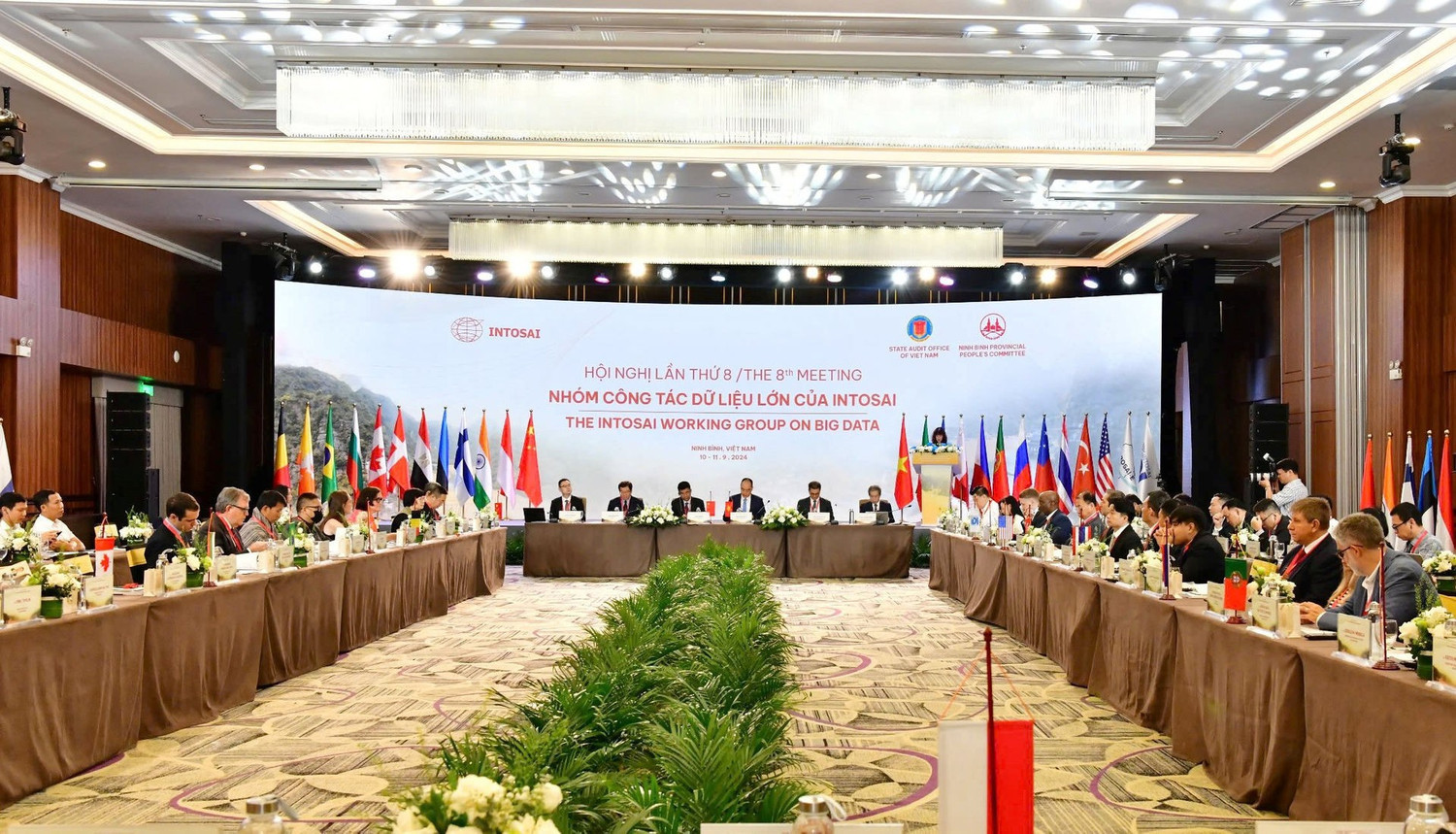
The State Audit Office of Vietnam hosted the 8th Meeting of the INTOSAI Working Group on Big Data (INTOSAI WGBD) under the theme “Data Governance – A New Effective Tool in Auditing” in September 2024.
A key focus of the conference will be the legal status, independence and role of SAIs within national governance systems. Participants will discuss mechanisms for safeguarding independence in terms of organization, finance, personnel and audit activities, as well as the functions, duties, powers, audit subjects and scope of auditing. Discussions will also cover quality control, risk management and integrity assurance in audit operations.
The conference will further examine the legal value of audit reports, the publication of audit findings and measures to strengthen the implementation of audit recommendations; the role of SAIs in exercising oversight over the use of power and combating corruption, wastefulness and misconduct; and coordination mechanisms between SAIs and parliaments, governments, inspection bodies, investigative agencies and other relevant authorities.
Issues concerning transparency in audit operations and oversight of SAIs by parliaments, competent authorities and the public will also be considered in light of international experience and individual countries' practices.
In addition, the conference will address the vision and development strategies of SAIs in response to emerging public governance requirements, together with experience in developing audit areas such as public debt, climate change, sustainable development, green finance, major investment projects and high-impact public programs.
Innovating Audit Methodologies and Promoting the Application of Technology and Digital Transformation
The innovation of risk-based and data-driven audit methodologies will be another key topic of the conference. Participants will share experiences in strengthening performance auditing and applying data analytics, big data, artificial intelligence (AI), machine learning, generative AI, information systems, databases, geographic information systems (GIS), satellite imagery and geospatial data in audit activities.
Issues relating to auditing in digital environments, remote auditing, continuous monitoring, data exploitation and database connectivity, as well as the legal validity, reliability, security and confidentiality of digital audit evidence, will be discussed from the perspectives of practical experience and legal frameworks.
Through presentations and in-depth discussions, the conference aims to share new approaches, experiences and good practices, helping SAIs adapt to rapid changes in public governance and technology.
Following the welcome address by a National Assembly leader and the opening remarks by the Auditor General of Vietnam, the conference is expected to feature approximately 18 presentations delivered by Dr. Ha Thi My Dung, Deputy Auditor General of Vietnam, and representatives from SAIs, the Ministry of Public Security, the National Assembly's Committee on Legal and Judicial Affairs, the Central Policy and Strategy Commission, the National Assembly's Committee on Economic and Financial Affairs, and other relevant agencies and organizations. During the discussion session, participants will have the opportunity to engage directly with speakers and raise questions on issues of interest.
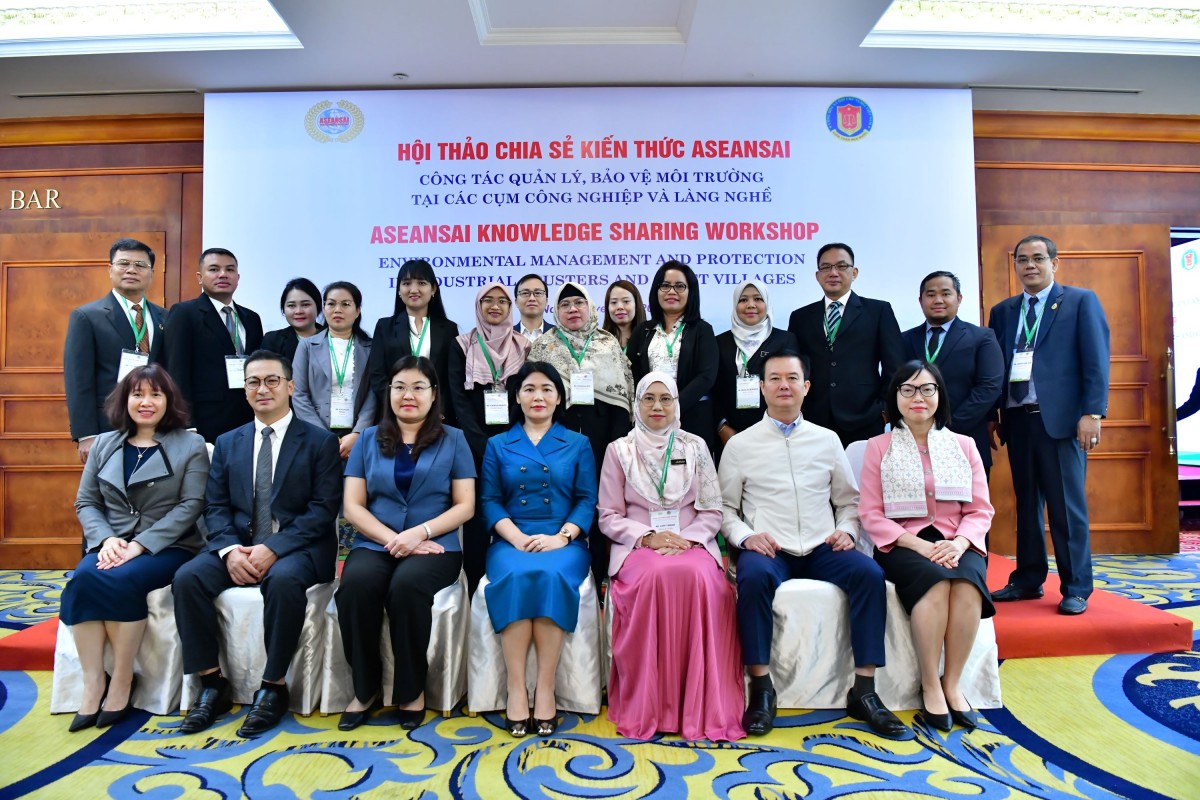
The State Audit Office of Vietnam organized an ASEANSAI Knowledge Sharing Workshop on “Environmental Management and Protection in Industrial Clusters and Craft Villages” in November 2024.
Contributing to the Strategic Direction of the State Audit Office of Vietnam in the New Era
The conference is expected to provide international insights, experience and valuable recommendations to support the development of the State Audit Office of Vietnam's strategic direction through 2035, with a vision toward 2045. The discussions will also serve as a reference for the SAV in formulating its long-term development strategy and enhancing its audit capacity and scope to meet the evolving requirements for managing public finances and public assets.
By drawing on international experience concerning the legal status, independence and role of SAIs, the conference will help strengthen the theoretical and practical foundations for research and proposals to improve the legal framework governing the State Audit Office of Vietnam, ensuring alignment with Vietnam's circumstances and international standards.
Side meetings with international partners will also provide opportunities for the SAV to access advanced auditing experience and techniques, particularly in emerging areas. Selective adoption of good practices will contribute to modernizing audit methodologies, making them more flexible and effective.
The organization of the conference reaffirms the State Audit Office of Vietnam's proactive approach, commitment to international integration and efforts to enhance its role within the international auditing community. It will also contribute to strengthening cooperation between the SAV and international SAIs and partners.
As a member of INTOSAI, the Asian Organization of Supreme Audit Institutions (ASOSAI) and the ASEAN Supreme Audit Institutions (ASEANSAI), the State Audit Office of Vietnam remains committed to actively, proactively and responsibly participating in international cooperation activities, promoting the exchange of experience, strengthening capacity and coordinating responses to shared challenges.
Through dialogue and the exchange of experience at the conference, the State Audit Office of Vietnam expects SAIs to gain further insights to support innovation, enhance institutional capacity and strengthen cooperation, working together toward transparent public governance, the efficient use of resources and sustainable development for the benefit of citizens.