CPA VIETNAM AUDITING COMPANY LIMITED
Qualified services, global understanding and vision

Kiểm toán nhà nước chuyên ngành Ia tập huấn kiểm toán doanh nghiệp thi công xây dựng

10/09/2026 - 08:40      47 view
Nhằm nâng cao năng lực chuyên môn, kỹ năng nhận diện rủi ro và phát hiện sai sót trọng yếu, chiều 08/9, tại trụ sở Kiểm toán nhà nước (KTNN), KTNN chuyên ngành Ia tổ chức tập huấn một số nội dung cần lưu ý trong kiểm toán doanh nghiệp thi công xây dựng cho các đoàn kiểm toán tại Tổng công ty 319 và Tổng công ty Thái Sơn.
Nội dung chính[ẩn][hiện]

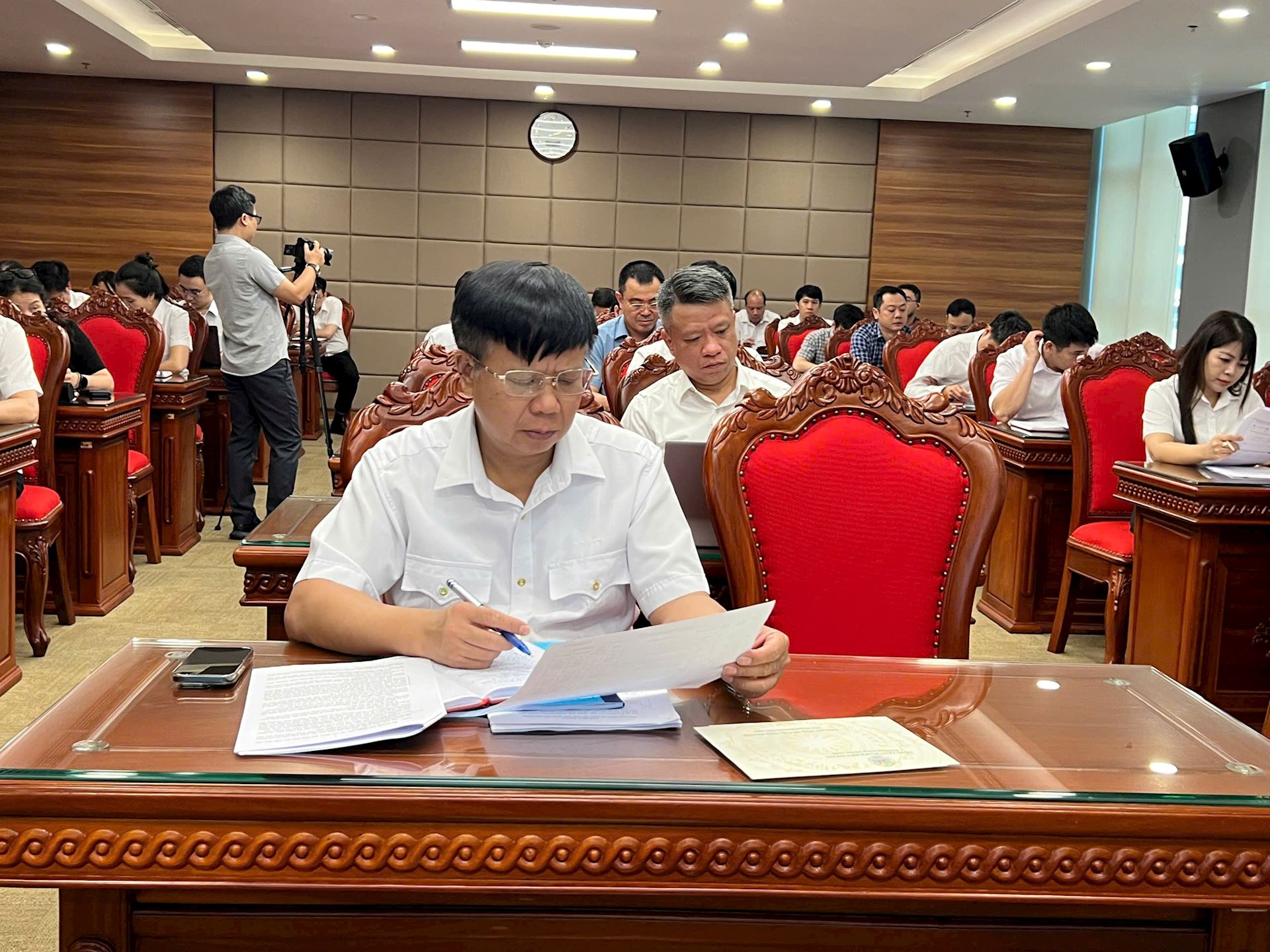
 Phó Kiểm toán trưởng KTNN chuyên ngành Ia Nguyễn Xuân Khải nghiên cứu tài liệu tại buổi tập huấn. Ảnh: Thanh Trang

Tham dự buổi tập huấn có các Phó Kiểm toán trưởng KTNN chuyên ngành Ia: Nguyễn Xuân Khải và Thái Thị Lan.

Phát biểu khai mạc, ông Trương Minh Ngọc - Trưởng phòng Kiểm toán doanh nghiệp cho biết, buổi tập huấn nhằm giúp kiểm toán viên nhận diện đầy đủ các sai sót và rủi ro kiểm toán thường phát sinh tại doanh nghiệp thi công xây dựng. Trên cơ sở đó, lựa chọn phương pháp, thủ tục kiểm toán phù hợp để thu thập bằng chứng, phát hiện và làm rõ các sai sót.

Nội dung tập huấn được xây dựng trên cơ sở Thông tư 200/2014/TT-BTC, Chuẩn mực kế toán Việt Nam số 15 - Hợp đồng xây dựng, Hệ thống Chuẩn mực KTNN cùng các quy định có liên quan.
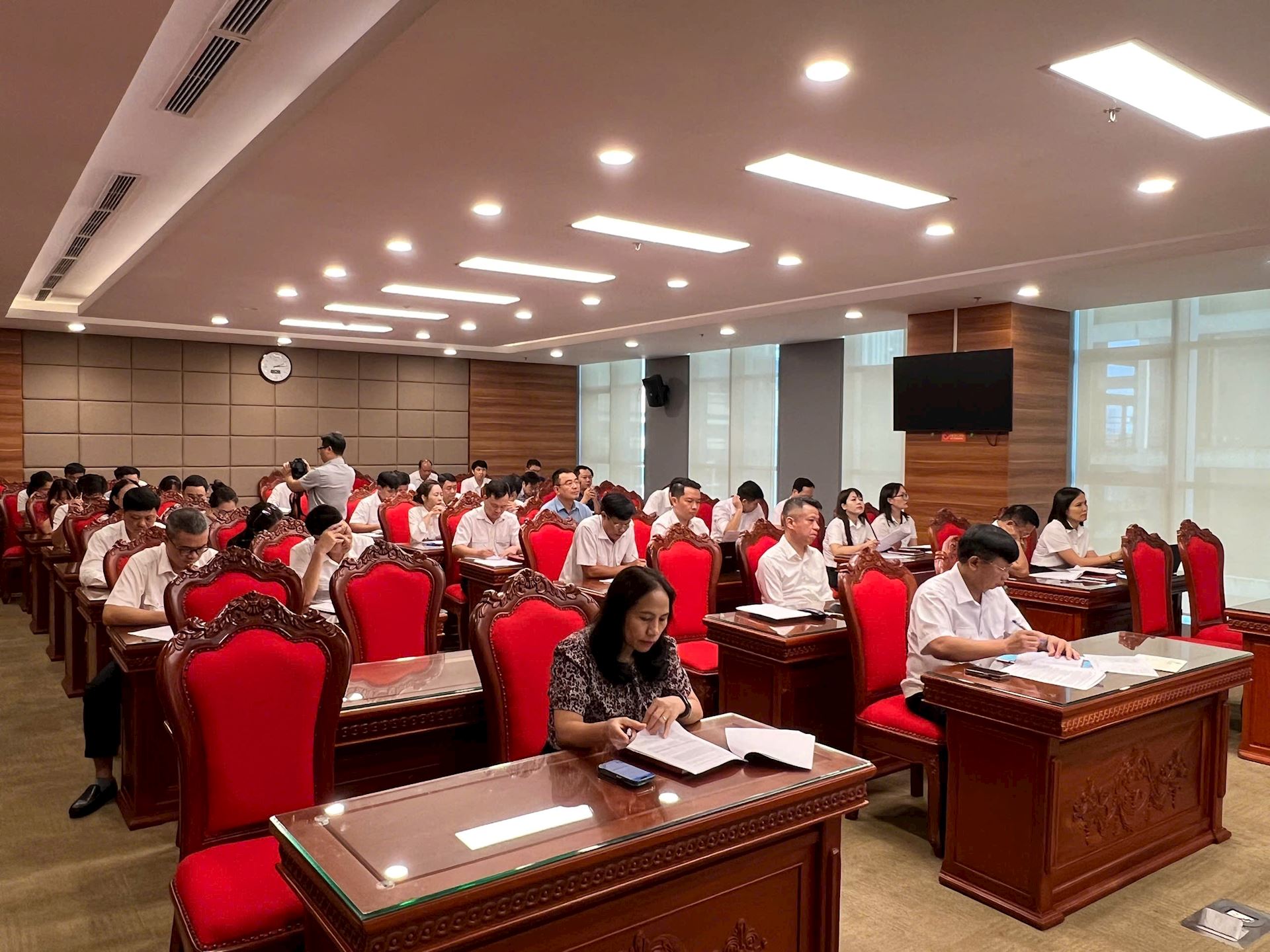
Quang cảnh buổi tập huấn kiểm toán doanh nghiệp thi công xây dựng. Ảnh: Thanh Trang

Tại buổi tập huấn, ông Nguyễn Mạnh Hùng - Kiểm toán viên, Phòng Kiểm toán doanh nghiệp đã trao đổi một số nội dung cần lưu ý khi kiểm toán doanh nghiệp thi công xây dựng thuộc lĩnh vực quốc phòng. Trong đó, tập trung vào những tài khoản trọng yếu trong doanh nghiệp xây lắp, gồm: chi phí nguyên liệu, vật liệu trực tiếp; chi phí nhân công trực tiếp; chi phí sử dụng máy thi công; chi phí sản xuất chung; chi phí sản xuất, kinh doanh dở dang…

Một trong những yêu cầu xuyên suốt được đặt ra tại buổi tập huấn là kiểm toán viên phải hiểu đầy đủ mô hình kế toán trước khi thực hiện kiểm toán.
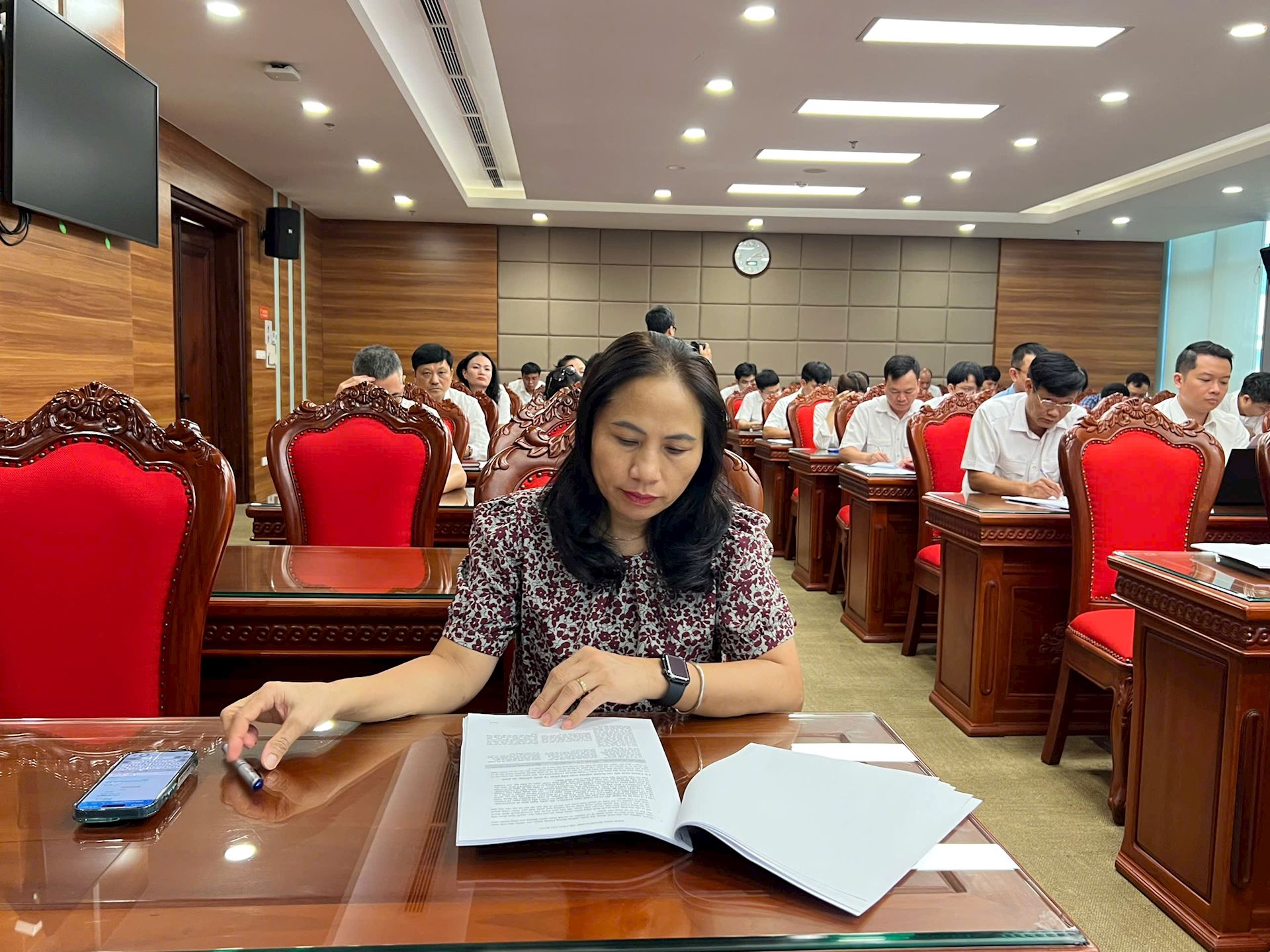
Phó Kiểm toán trưởng KTNN chuyên ngành Ia Thái Thị Lan theo dõi nội dung được trao đổi tại buổi tập huấn. Ảnh: Thanh Trang

Theo nội dung trao đổi, sai sót trọng yếu trong doanh nghiệp xây lắp thường không nằm riêng ở một chứng từ hoặc một tài khoản, mà phát sinh khi doanh nghiệp làm đứt gãy mối liên hệ giữa hợp đồng, dự toán mới nhất, thực tế thi công, chi phí phát sinh, mức độ hoàn thành, nghiệm thu, doanh thu, giá vốn, công nợ và dòng tiền.

Do đó, đơn vị kiểm toán hiệu quả nhất không phải là “một chứng từ” mà là một hợp đồng/công trình trong toàn bộ vòng đời của nó.
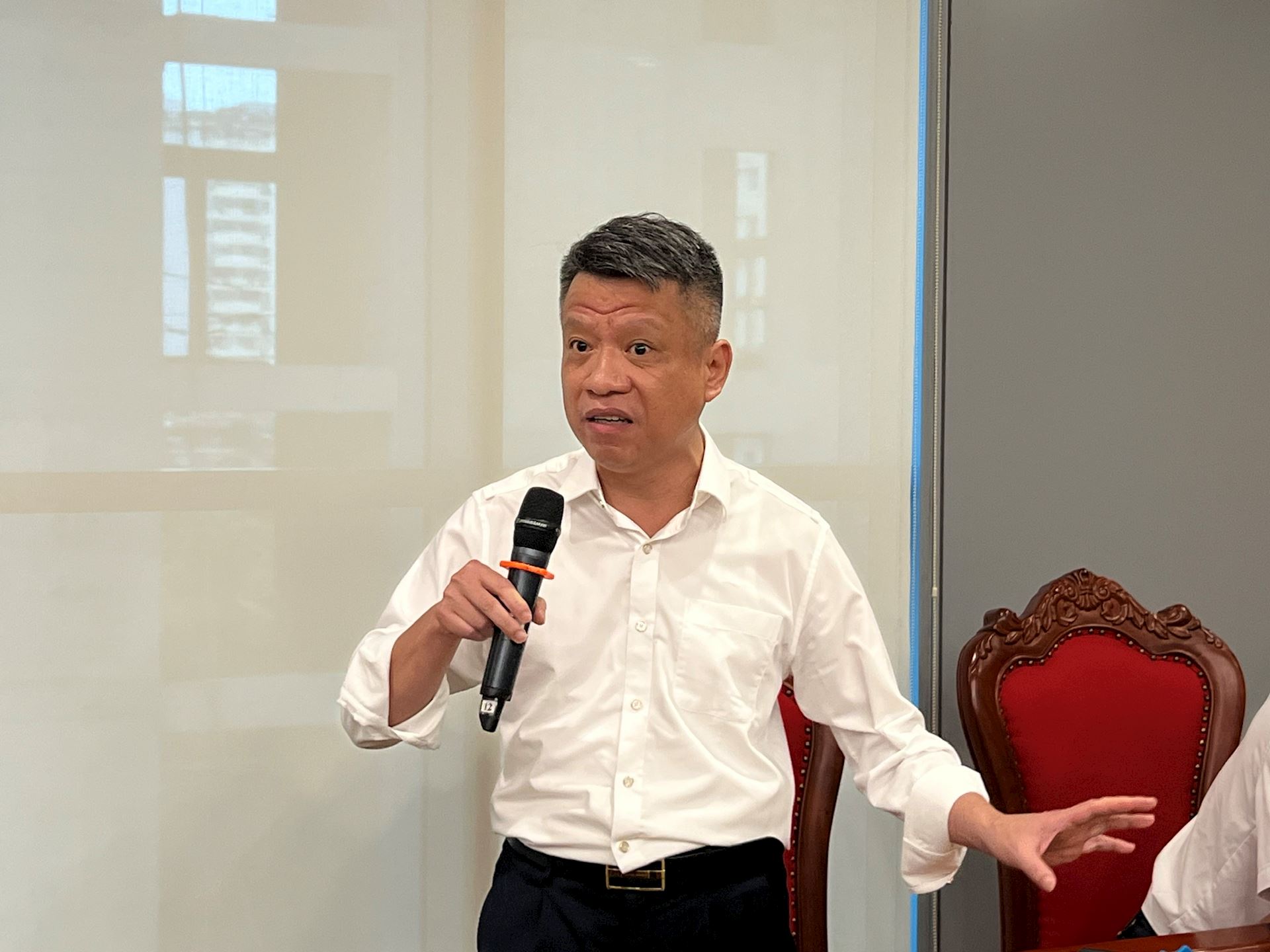
Ông Trương Minh Ngọc - Trưởng phòng Kiểm toán doanh nghiệp phát biểu khai mạc buổi tập huấn. Ảnh: Thanh Trang

Bên cạnh đó, cũng cần lưu ý phân biệt hai cơ chế thanh toán của hợp đồng xây dựng, đó là: Thanh toán theo tiến độ kế hoạch và thanh toán theo giá trị thực hiện.

Đối với hợp đồng thanh toán theo tiến độ kế hoạch, khi kết quả hợp đồng được ước tính đáng tin cậy, doanh thu và chi phí được ghi nhận theo phần công việc hoàn thành do nhà thầu xác định tại ngày lập báo cáo tài chính, không phụ thuộc hoàn toàn vào số tiền trên hóa đơn thanh toán theo tiến độ.
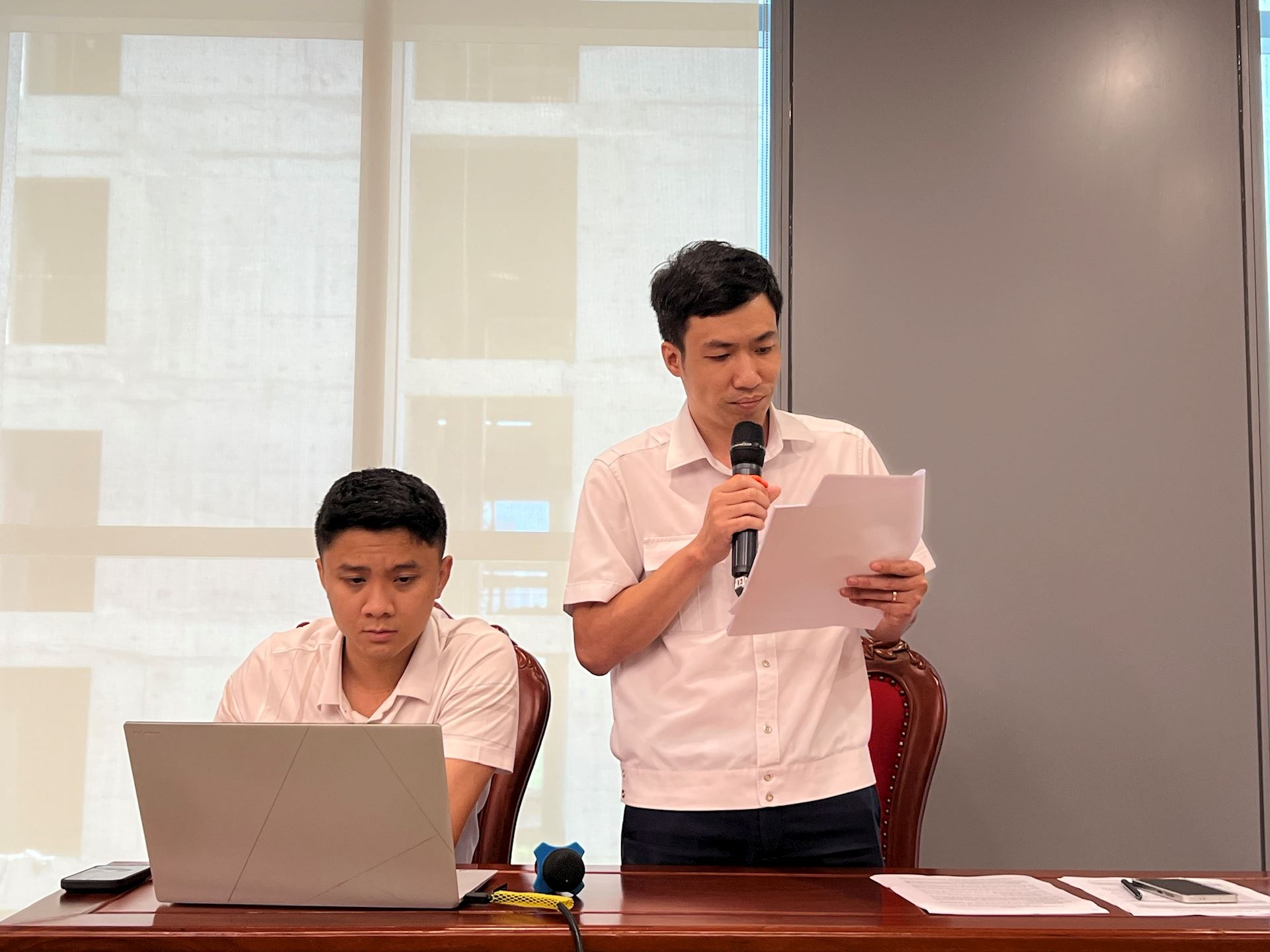
Ông Nguyễn Mạnh Hùng - Kiểm toán viên, Phòng Kiểm toán doanh nghiệp trao đổi một số nội dung liên quan đến kiểm toán doanh nghiệp thi công xây dựng. Ảnh: Thanh Trang

Đối với hợp đồng thanh toán theo giá trị khối lượng thực hiện, doanh thu và chi phí được ghi nhận tương ứng với phần công việc hoàn thành đã được khách hàng xác nhận theo cơ chế của hợp đồng. Hồ sơ nghiệm thu, xác nhận khối lượng, điều kiện chấp nhận, hóa đơn và bằng chứng về tính đúng kỳ là các tài liệu trọng yếu.

Vì vậy, để kết luận về doanh thu, kiểm toán viên cần xác định mức độ hoàn thành của hợp đồng bằng phương pháp phù hợp, như: tỷ lệ giữa chi phí đủ điều kiện đã phát sinh với tổng chi phí dự toán mới nhất; đánh giá phần công việc đã hoàn thành; hoặc tỷ lệ giữa khối lượng xây lắp hoàn thành với tổng khối lượng phải thực hiện…
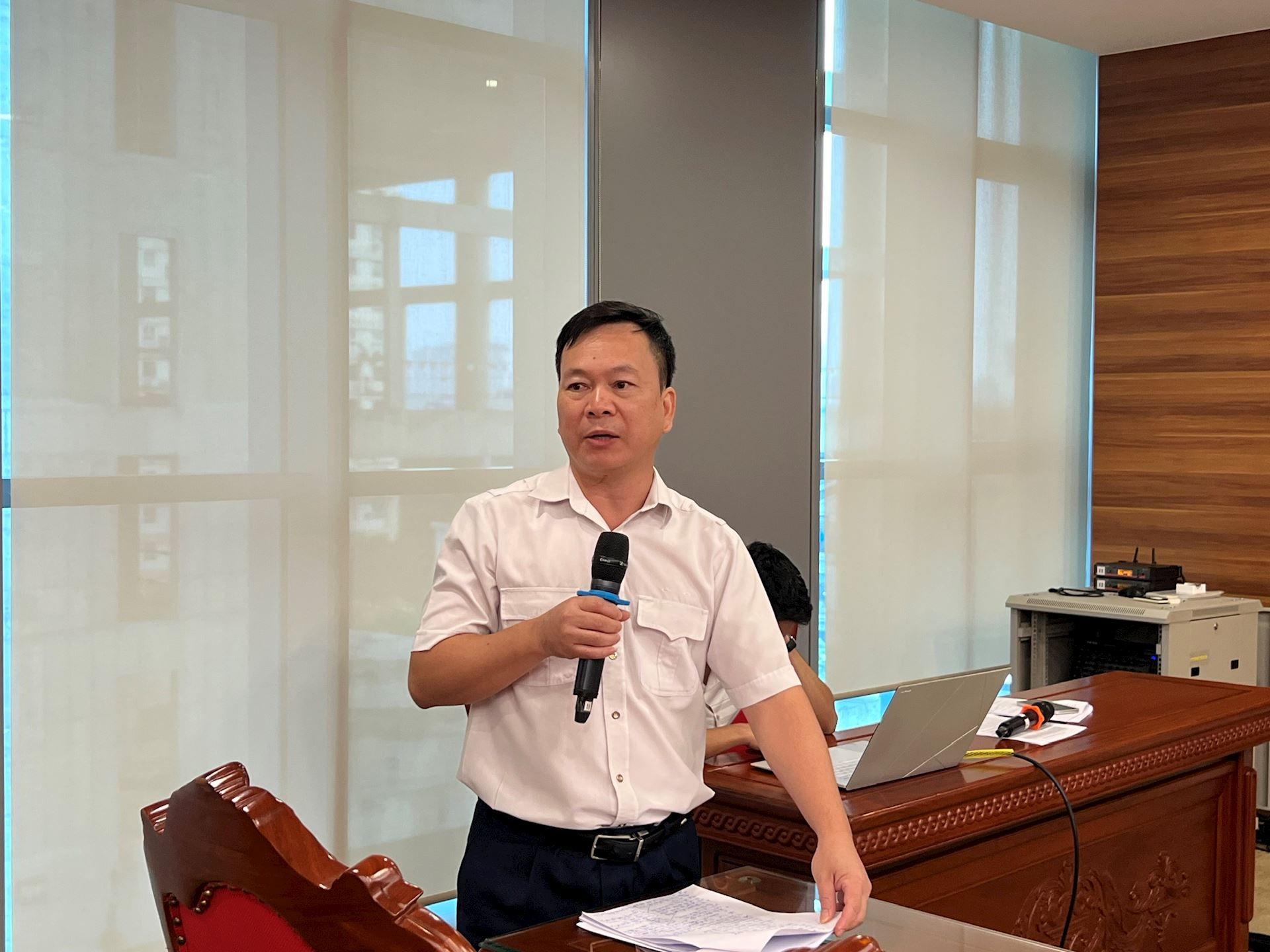
Ông Trần Minh - Trưởng phòng Kiểm toán đầu tư dự án trao đổi về những vướng mắc trong kiểm toán doanh nghiệp thi công xây dựng. Ảnh: Thanh Trang

Tại buổi tập huấn, các đại biểu đã trao đổi, thảo luận về những vướng mắc và tình huống thường gặp trong quá trình kiểm toán doanh nghiệp thi công xây dựng. Thông qua trao đổi, các kiểm toán viên cùng phân tích dấu hiệu rủi ro, nguồn bằng chứng cần thu thập và phương pháp kiểm tra phù hợp đối với từng trường hợp. Qua đó, góp phần thống nhất cách xử lý những vấn đề phát sinh trong thực tiễn, nâng cao khả năng phát hiện sai sót và chất lượng bằng chứng kiểm toán.

16/11/2026 8
Despite spending 99.6% of its allocated budget for the 2025–2026 financial year, South Africa's Department of Sport, Arts and Culture (DSAC) has yet to address longstanding weaknesses in governance and financial controls. The Auditor-General of South Africa (AGSA) has warned that numerous gaps in the internal control system are increasing the risk of fraud, undermining budget efficiency and accountability.
View details
16/11/2026 6
On the afternoon of November 13, as part of his official visit and working trip to the Republic of Belarus, State Auditor General of Vietnam Nguyen Huu Nghia and his delegation held a bilateral meeting with Deputy Prime Minister of Belarus Aleksandr Terekhov, Head of the Belarusian delegation to the Vietnam–Belarus Intergovernmental Commission on Trade, Economic, Scientific and Technical Cooperation.
View details
13/11/2026 16
On November 12, in Minsk, the capital of Belarus, as part of an official working visit to the Republic of Belarus, a high-level delegation from the State Audit Office of Vietnam (SAV), led by Auditor General Nguyen Huu Nghia, held a bilateral meeting with the State Control Committee of the Republic of Belarus, headed by its Chairman, Vasily Gerasimov.
View details
13/11/2026 22
The rapid adoption of artificial intelligence (AI) across organizations is outpacing existing governance and control capabilities. The accelerated development of generative AI, AI agents, and the unauthorized use of AI tools (“shadow AI”) poses significant challenges related to transparency, data security, and accountability. In response to these emerging risks, internal audit functions must innovate their methodologies, enhance professional competencies, and strengthen oversight to ensure that AI applications are managed safely and effectively.
View details
12/11/2026 21
Disbursed investment capital from the state budget in the first 10 months of 2026 was estimated at VND 783.9 trillion, equivalent to 69% of the annual plan and up 19.8% year-on-year. Total registered foreign investment reached USD 54.85 billion, an increase of 74%, while disbursed foreign direct investment (FDI) amounted to USD 24.08 billion, up 13.1%. Increasing capital inflows are providing additional momentum for the economy. However, the key issue is not merely how much capital can be mobilized and disbursed, but more importantly, how much value, productive capacity, and competitiveness each unit of investment capital can generate.
View details
12/11/2026 20
The restructuring and streamlining of the political system's organizational apparatus, together with the implementation of the two-tier local government model, have resulted in adjustments to the functions, responsibilities, audited entities, and designated focal points of various agencies and organizations. Consequently, although many audits have been completed and recommendations issued, some recommendations may not yet have been fully implemented. It is therefore essential to ensure their timely and comprehensive handover and receipt to maintain continuity in monitoring, follow up on all outstanding recommendations, and prevent any omissions. The implementation of audit recommendations is a decisive factor in determining the effectiveness and efficiency of audit activities and serves as a basis for the State Audit Office of Vietnam (SAV) to demonstrate its performance and accountability to the National Assembly and the public.
View details
11/11/2026 30
The State Audit Office of Vietnam (SAV) is expected to strengthen data-driven auditing, remote auditing, thematic auditing and performance auditing in the coming years, with a particular focus on auditing public resources, development programs, nationally important projects and macroeconomic policies of the Party and the State, thereby serving the common interests of the country and its people.
View details
11/11/2026 21
Data should not only be regarded as a source of information for individual audits but also as a digital asset of the State Audit Office of Vietnam (SAV), requiring centralized management, consistent utilization and long-term reuse to support auditing activities, management, administration and strategic planning.
View details
10/11/2026 17
The Standing Committee of the Party Committee of the State Audit Office of Vietnam (SAV) has recently issued Official Letter No. 1614-CV/DU on communication activities commemorating the 80th anniversary of the First National Cultural Conference (November 24, 1946 – November 24, 2026), Vietnam Culture Day (November 24), and the Great National Unity Festival (November 18).
View details
10/11/2026 18
The State Audit Office of Vietnam (SAV) has recently published the results of a thematic audit on the management and use of public investment capital in Khanh Hoa Province during the 2021–2025 period. The audit revealed that 53 projects had to be suspended after their investment policies were approved; one project had achieved a disbursement rate of only 18.76% as of the audit date; and another project, scheduled for completion and handover in 2026, had only begun its investment preparation procedures by July 2026, when the audit was conducted.
View details
09/11/2026 38
On the morning of October 8, the Vietnam Association of Accountants and Auditors (VAA), in coordination with the Lao Cai Provincial Department of Finance, held the opening ceremony of a professional training conference on financial management for commune-level officials, civil servants, and public employees across the province at the Department of Finance's headquarters.
View details
09/11/2026 29
In its latest enforcement action, the State Securities Commission of Vietnam (SSC) has named several enterprises for violations involving periodic disclosure obligations, inaccurate information disclosure, securities issuance regulations, corporate governance reporting, and accounting personnel information.
View details
Head Office
Representative Office
Northern Branch
Ho Chi Minh City Branch
Key thời gian làm việc
Copyright © 2026 CPA VIETNAM AUDIT. All rights reserved. Website designed by Tat Thanh
Access statistics
Total visits: 487958 Currently visiting: 325
Website Policy