Data is a key factor in auditing, determining the accuracy, efficiency and scalability of audit activities. To maximize the value of data analysis, audit authorities need scientific, secure and systematic mechanisms for managing, standardizing and sharing data across different levels and sectors.
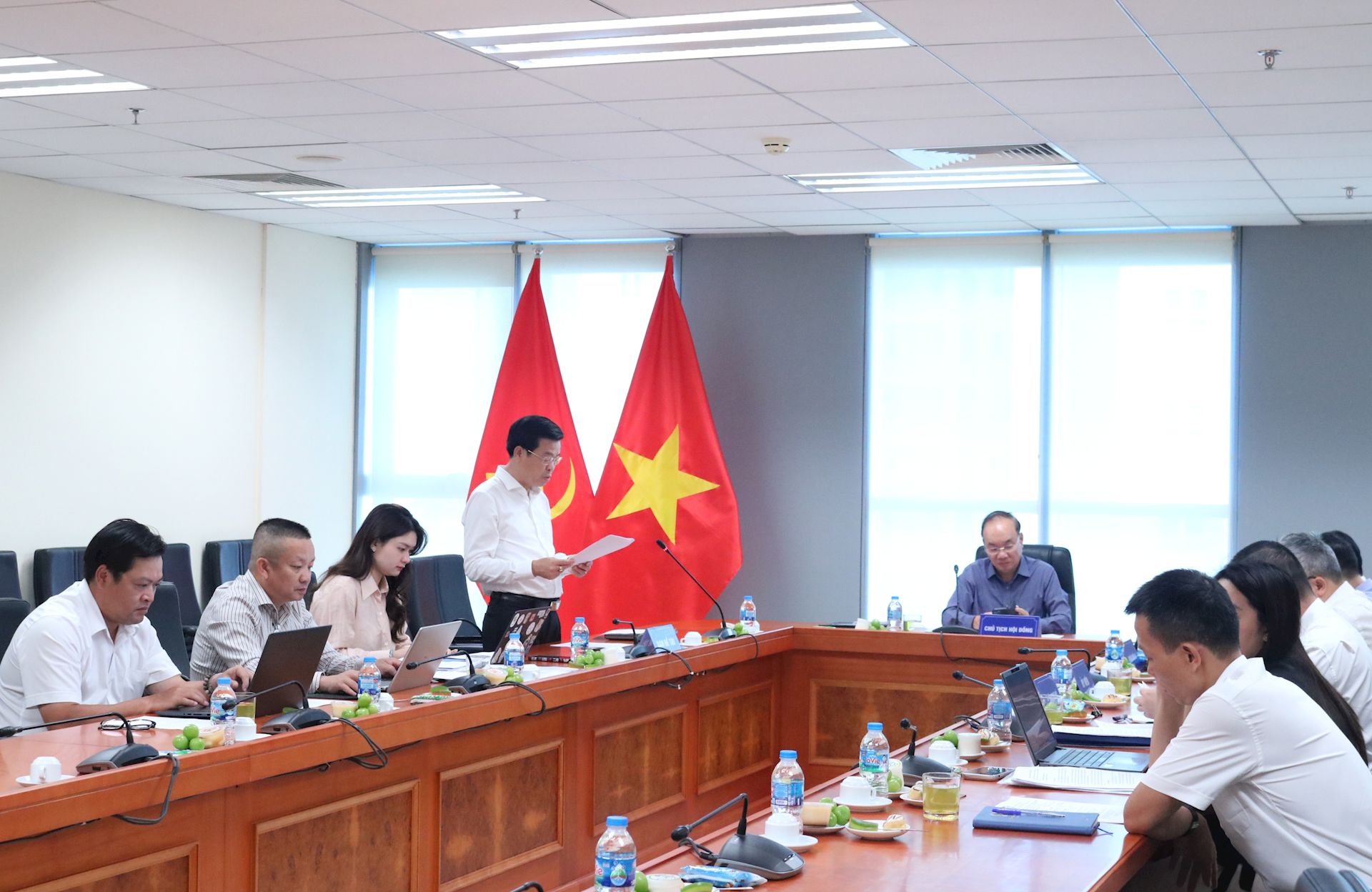
Overview of the acceptance session. Photo: N.LY
On the morning of October 6, the State Audit Office of Vietnam (SAV) Scientific Council held an acceptance session for the ministerial-level scientific research project titled “Solutions to Improve the Efficiency of Electronic Data Exploitation for SAV Audit Activities in the Context of the Fourth Industrial Revolution,” led by MSc. Huynh Ngoc Quang, State Auditor General of SAV Regional Audit Office VIII.
Prof. Dr. Doan Xuan Tien, former Deputy State Auditor General and Vice Chairman of the SAV Scientific Council, served as Chairman of the Acceptance Council.
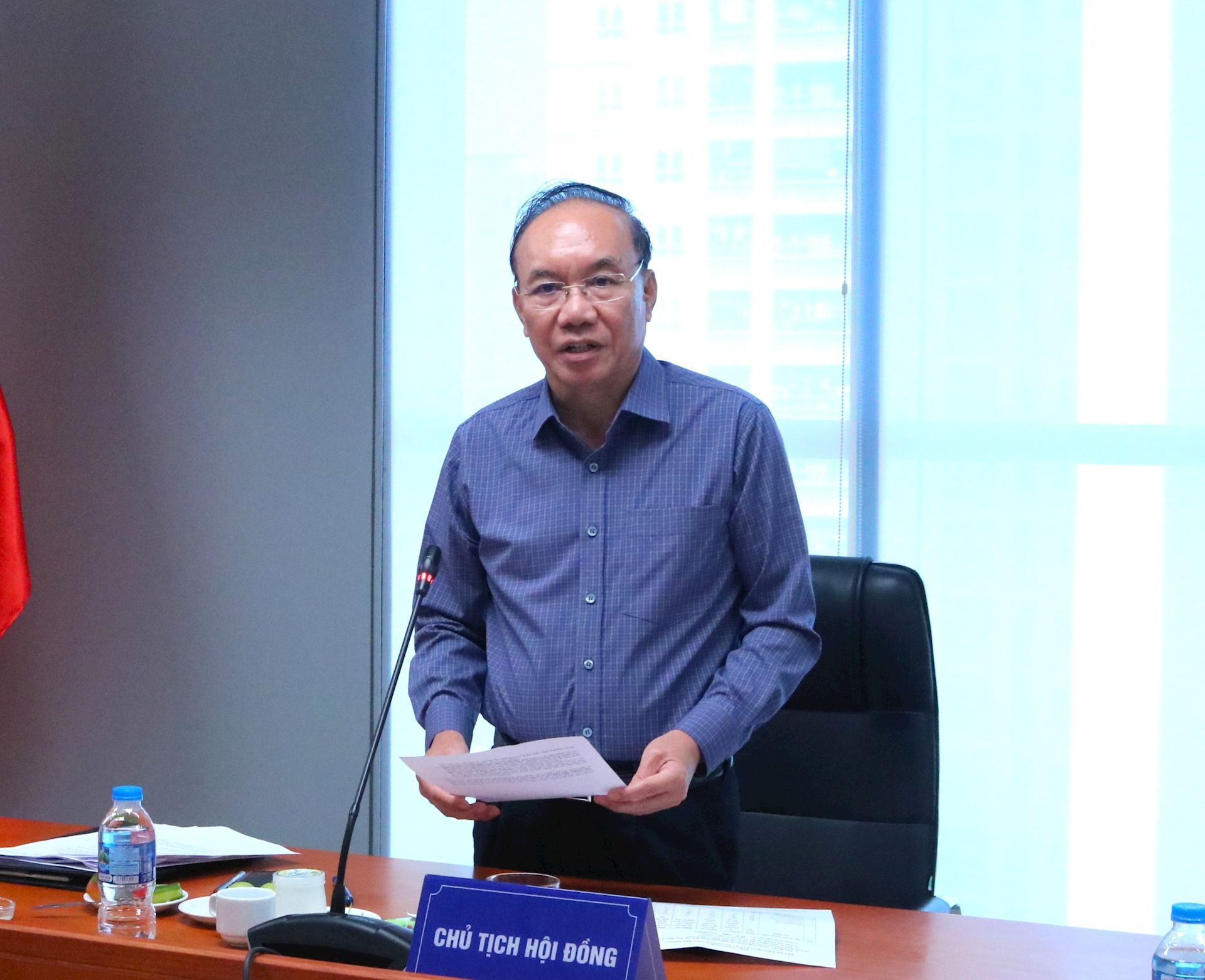
Prof. Dr. Doan Xuan Tien, Chairman of the Acceptance Council, assessed that the project is highly necessary and consistent with the requirements of digital transformation and the modernization of audit activities. Photo: N.LY
Improving Legal Regulations and Developing Internal Procedures
According to MSc. Huynh Ngoc Quang, electronic data directly supports the entire audit cycle, from planning, risk analysis and determining materiality to testing, auditing, reconciliation, preparation of audit evidence and monitoring the implementation of audit recommendations.
Currently, SAV has developed various platforms and applications to support management and administration, information receipt and audit activities. As of August 2026, SAV had received more than 11,500 electronic reports, with approximately 2,800 registered entity accounts and nearly 7,000 accounts issued to audited entities.
SAV has also signed information and data-sharing coordination regulations with the Ministry of Finance, Vietnam Social Security and the State Bank of Vietnam. Through these arrangements, SAV has received more than 20 million records of catalog data and 17 sets of state budget settlement reports from the Ministry of Finance, as well as nearly 57,000 reports in the social security sector.
In 2026 alone, SAV expanded its collection, processing and exploitation of data from five information systems for administrative procedure settlement operated by the Ministry of Science and Technology, the Ministry of Culture, Sports and Tourism, and the provinces of Hung Yen, Ca Mau and Khanh Hoa, as well as the National Public Service Portal. These results demonstrate that electronic data collection has established a practical foundation for further expansion.
In some audits, data from operational systems has been used to analyze transactions, cross-check information sources and identify cases requiring further examination. Information technology system audits have also helped identify risks related to access permissions, account management and data controls.
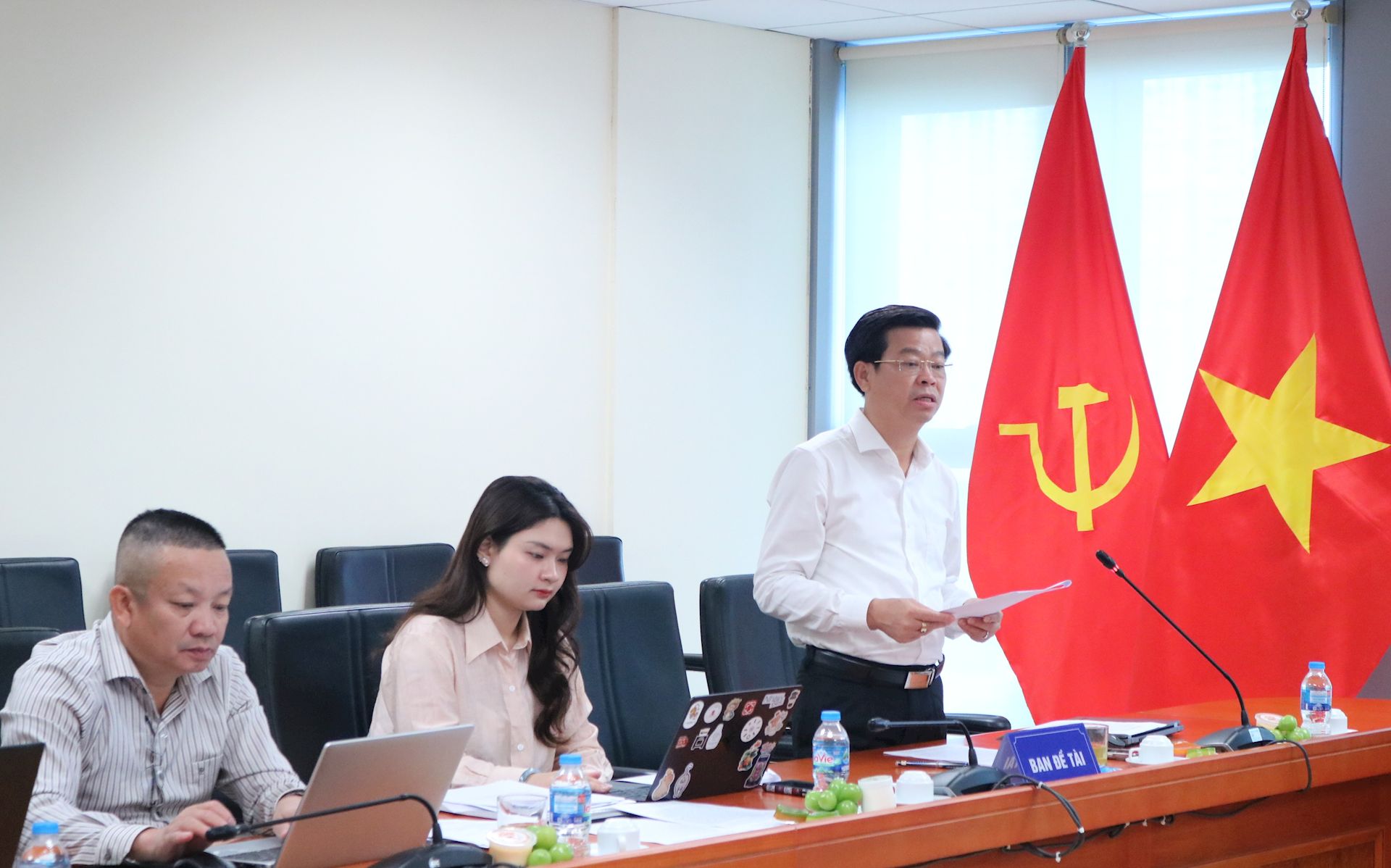
According to MSc. Huynh Ngoc Quang, State Auditor General of SAV Regional Audit Office VIII, effective data exploitation cannot be achieved simply by investing in an individual tool. Photo: N.LY
Alongside these achievements, MSc. Huynh Ngoc Quang noted that SAV continues to face a number of difficulties and challenges. Although access rights have been recognized by law, specific provisions concerning the scope of access, methods of access, coordination responsibilities and data protection have yet to be clearly defined. Data is dispersed across multiple systems and varies in format and quality, making collection, cleansing and reconciliation relatively time-consuming.
Storage and analytics infrastructure, as well as the level of connectivity between systems, has not yet fully met the needs of large-scale data exploitation. The number of personnel who possess both professional auditing knowledge and data analytics expertise remains limited. As connectivity and artificial intelligence applications expand, requirements for information security, confidentiality and controls over data use are becoming increasingly critical.
Based on this situation, the Project Team proposed five groups of solutions, focusing on: improving legal regulations on access to and exploitation of data for auditing; developing SAV's internal regulations and procedures to guide access to and exploitation of electronic data; applying artificial intelligence and data analytics tools based on operational needs; and strengthening information security and network security.
“To exploit data effectively, it is not enough to simply invest in an individual tool. It is necessary to determine what data auditors need, what the legal basis for accessing it is, whether the data is sufficiently reliable for analysis, who is authorized to use it, and how the analytical results are to be verified,” MSc. Huynh Ngoc Quang emphasized.
In addition, SAV needs to provide auditors with training ranging from foundational knowledge to advanced analytical skills, with more exercises based on real-world data and audit cases. In the short term, auditors need to be able to identify data requirements, understand the structure and limitations of data, use appropriate tools and verify the results. In the long term, SAV should develop a core data analytics team capable of supporting multiple audits and sharing methodologies across the sector.
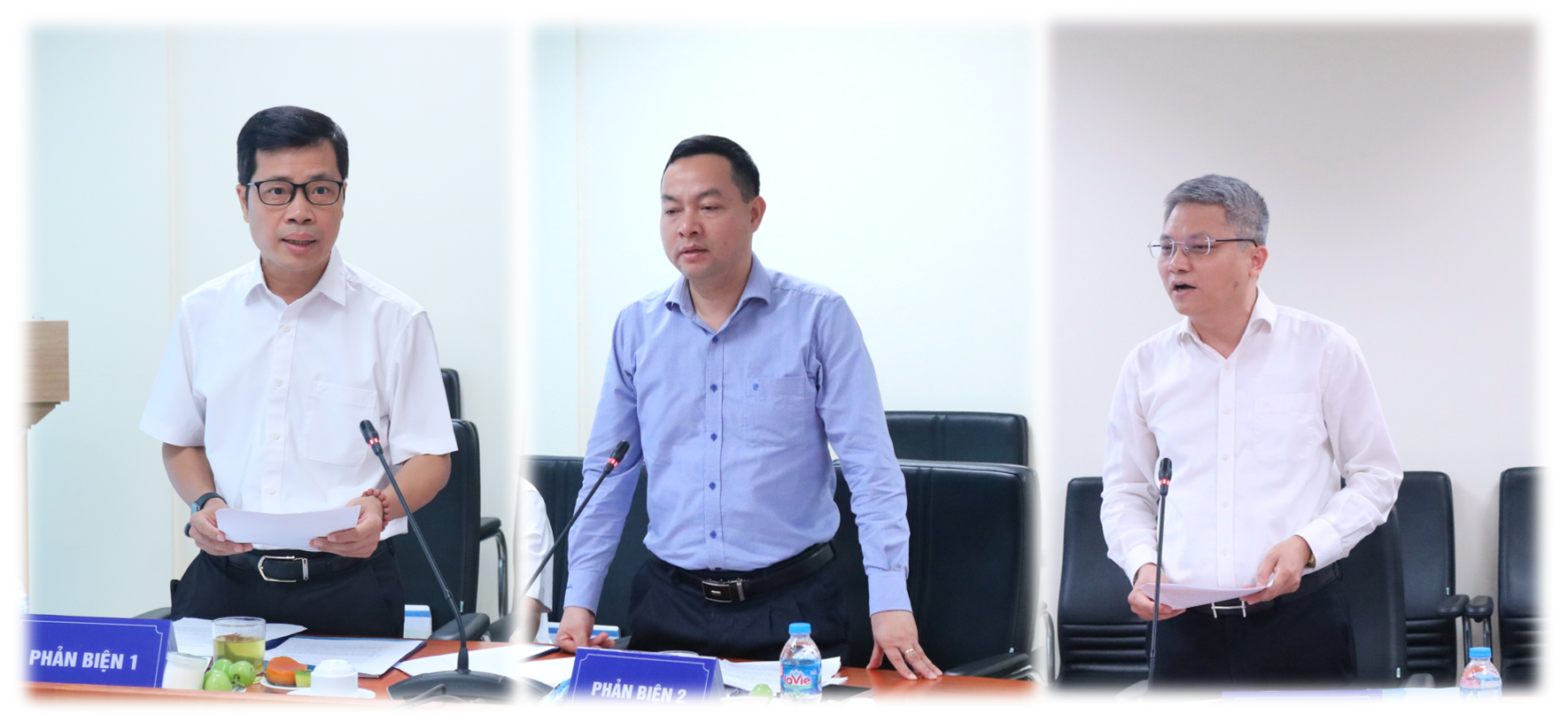
The Acceptance Council requested that the Project Team further review and clarify the scope and criteria for assessing the effectiveness of electronic data exploitation. Photo: N.LY
Clarifying Criteria for Assessing the Effectiveness of Electronic Data Exploitation
Highly appreciating the research findings, the Acceptance Council noted that the project has identified the achievements, limitations and bottlenecks in electronic data exploitation, particularly regarding the legal framework, data standardization, connectivity, data sharing, technical infrastructure and human resources. The project also reviewed international experience and initially drew lessons applicable to the conditions of the State Audit Office of Vietnam. The comprehensive groups of solutions, particularly those aimed at improving the legal framework and internal regulations governing access to and exploitation of electronic data, have significant practical value.
To improve the quality and feasibility of the proposed solutions, the Acceptance Council requested that the Project Team further review and clarify the scope and criteria for assessing the effectiveness of electronic data exploitation, particularly criteria relating to accessibility, reliability, the extent to which data is used throughout the audit process, the ability to identify risks, and the impact on the quality of audit conclusions and recommendations.
In addition, the Project Team should supplement and further clarify practical data and evidence to quantify the current status of electronic data exploitation and thereby provide a clearer assessment of its actual effectiveness. The proposed solutions should be prioritized and organized according to an implementation roadmap, implementation conditions, responsible entities and expected outputs. The feasibility of certain solutions involving AI, big data analytics, digital auditing and continuous auditing should also be further assessed.
The Project Team was requested to review the legal framework related to access to, exploitation, sharing and protection of electronic data, and clarify which matters fall under the authority of the State Auditor General and which require recommendations to competent authorities.
Prof. Dr. Doan Xuan Tien, Chairman of the Acceptance Council, assessed that the project is highly necessary and consistent with the requirements of digital transformation, the modernization of audit activities and the SAV Development Strategy through 2030. The research content closely aligns with the need to improve the efficiency of electronic data exploitation for audit activities in the new context. The Chairman of the Acceptance Council requested that the Project Team fully incorporate the comments of the Council members and complete the project within the prescribed timeframe.
The Council unanimously rated the project Good.