CPA VIETNAM AUDITING COMPANY LIMITED
Qualified services, global understanding and vision

Tăng cường hàm lượng công nghệ và AI vào hoạt động kiểm toán công

16/06/2026 - 08:34      49 view
(BKTO) - Ngày 15/6, Cục Công nghệ thông tin (CNTT) đã tổ chức Tọa đàm trao đổi, chia sẻ kinh nghiệm về công tác kiểm toán CNTT và ứng dụng công nghệ trong hoạt động kiểm toán với Công ty KPMG Việt Nam.
Nội dung chính[ẩn][hiện]

Tham dự Tọa đàm, về phía Cục CNTT có Cục trưởng Phạm Huy Thông, Phó Cục trưởng Nguyễn Văn Quang, cùng các công chức phòng Kiểm toán CNTT và các phòng nghiệp vụ. Về phía KPMG Việt Nam có các Giám đốc kiểm toán đại diện khối chuyên gia công nghệ và dịch vụ kiểm toán độc lập.
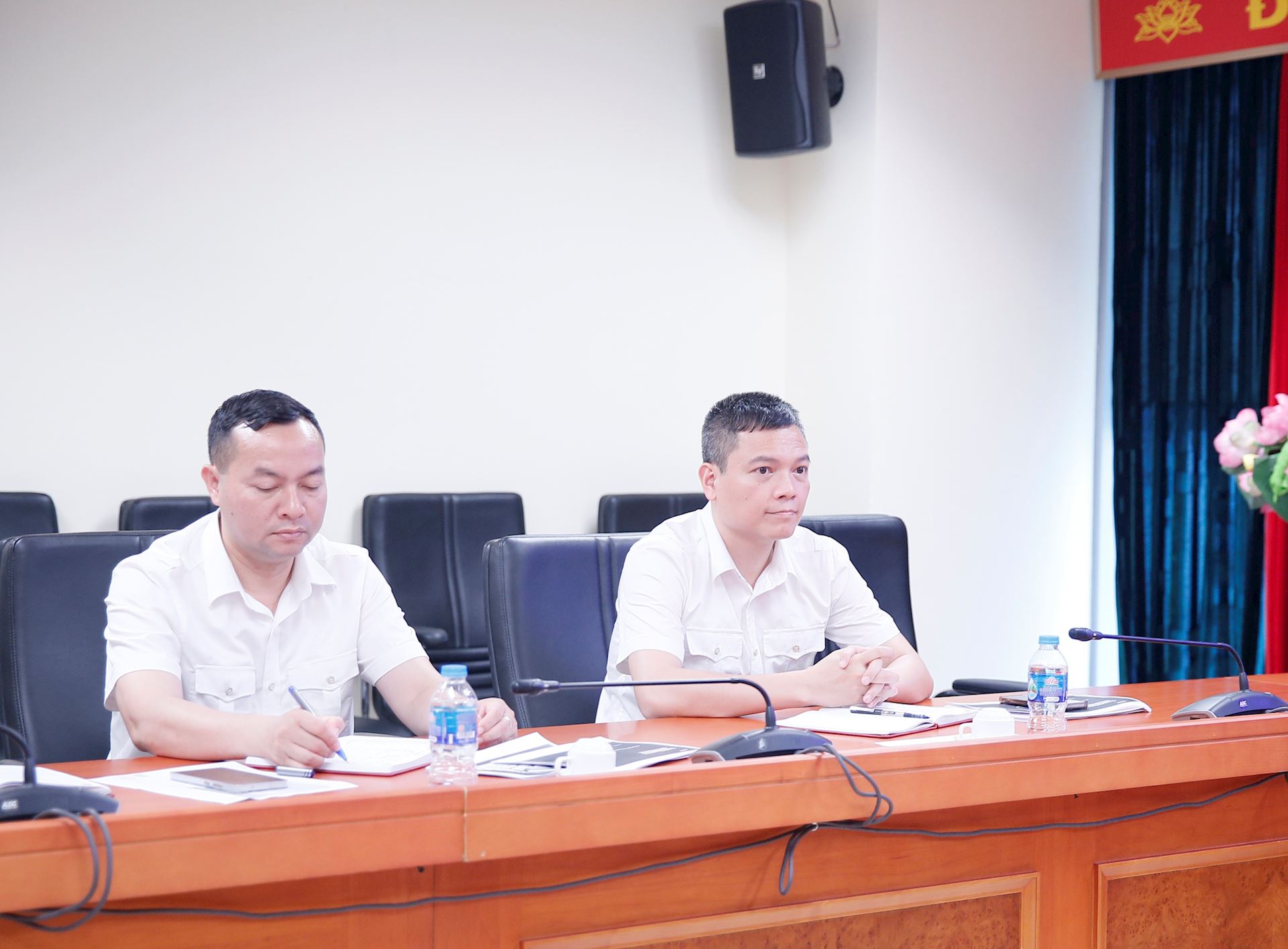
Lãnh đạo Cục CNTT tham dự Tọa đàm.

Tại Tọa đàm, đại diện hai bên đã có những trao đổi thẳng thắn, cởi mở về đặc thù trong nghiệp vụ kiểm toán của mỗi bên (giữa kiểm toán công và kinh nghiệm kiểm toán độc lập khối doanh nghiệp thương mại/tư nhân của KPMG). Nhiều nội dung chuyên môn và thực tiễn ứng dụng công nghệ dẫn đầu đã được chia sẻ, thảo luận sâu sắc.

Ứng dụng AI trong quản lý quy trình và tối ưu hóa hồ sơ kiểm toán

Chia sẻ khái quát tại cuộc họp, đại diện KPMG Việt Nam đã nhấn mạnh về tính hiệu quả vượt trội của việc đưa Trí tuệ nhân tạo (AI) vào các cuộc kiểm toán hiện nay. Thực tiễn ứng dụng hệ sinh thái trợ lý ảo Clara AI tại KPMG đã ghi nhận nhiều kết quả rất tích cực.
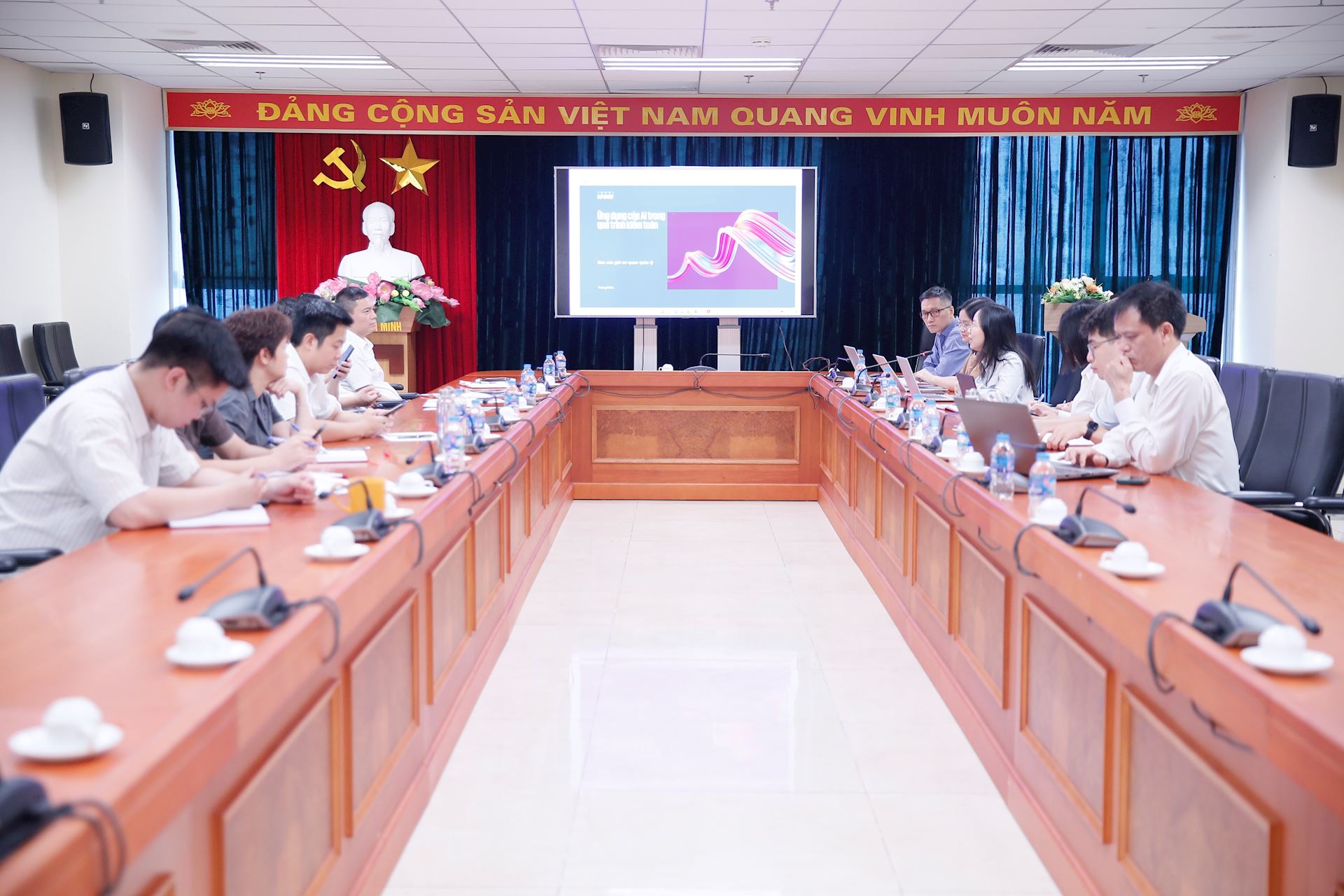
Cục CNTT và KPMG Việt Nam tổ chức Tọa đàm về ứng dụng AI trong kiểm toán.

Công nghệ AI không chỉ hỗ trợ kiểm toán viên chuẩn bị tốt cho các cuộc họp soát xét quy trình, tóm tắt biên bản, tự động hóa lưu đồ, mà còn đóng vai trò như một "trợ lý kiến thức kiểm toán" đắc lực. AI có khả năng đưa ra các đề xuất, ghi chú thông minh khi soát xét hồ sơ và hướng dẫn hoàn thiện tài liệu kiểm toán một cách nhất quán, giúp tối ưu hóa thời gian và nâng cao toàn diện chất lượng sản phẩm kiểm toán.

Kiểm soát chặt chẽ đối với các ứng dụng hỗ trợ kiểm toán 

Liên quan đến việc tối ưu hóa công cụ phần mềm chuyên dụng hỗ trợ kiểm toán (SAT), các chuyên gia KPMG cho biết đơn vị luôn áp dụng một quy trình kiểm soát nghiêm ngặt từ khâu khởi tạo, đánh giá rủi ro bảo mật, kiểm thử độc lập cho đến triển khai thực tế. Việc kiểm soát chặt chẽ theo chuẩn phương pháp luận này nhằm đảm bảo tính độc lập, an toàn dữ liệu và theo dõi hiệu suất cải tiến liên tục của các công cụ trước khi đưa vào sử dụng diện rộng.
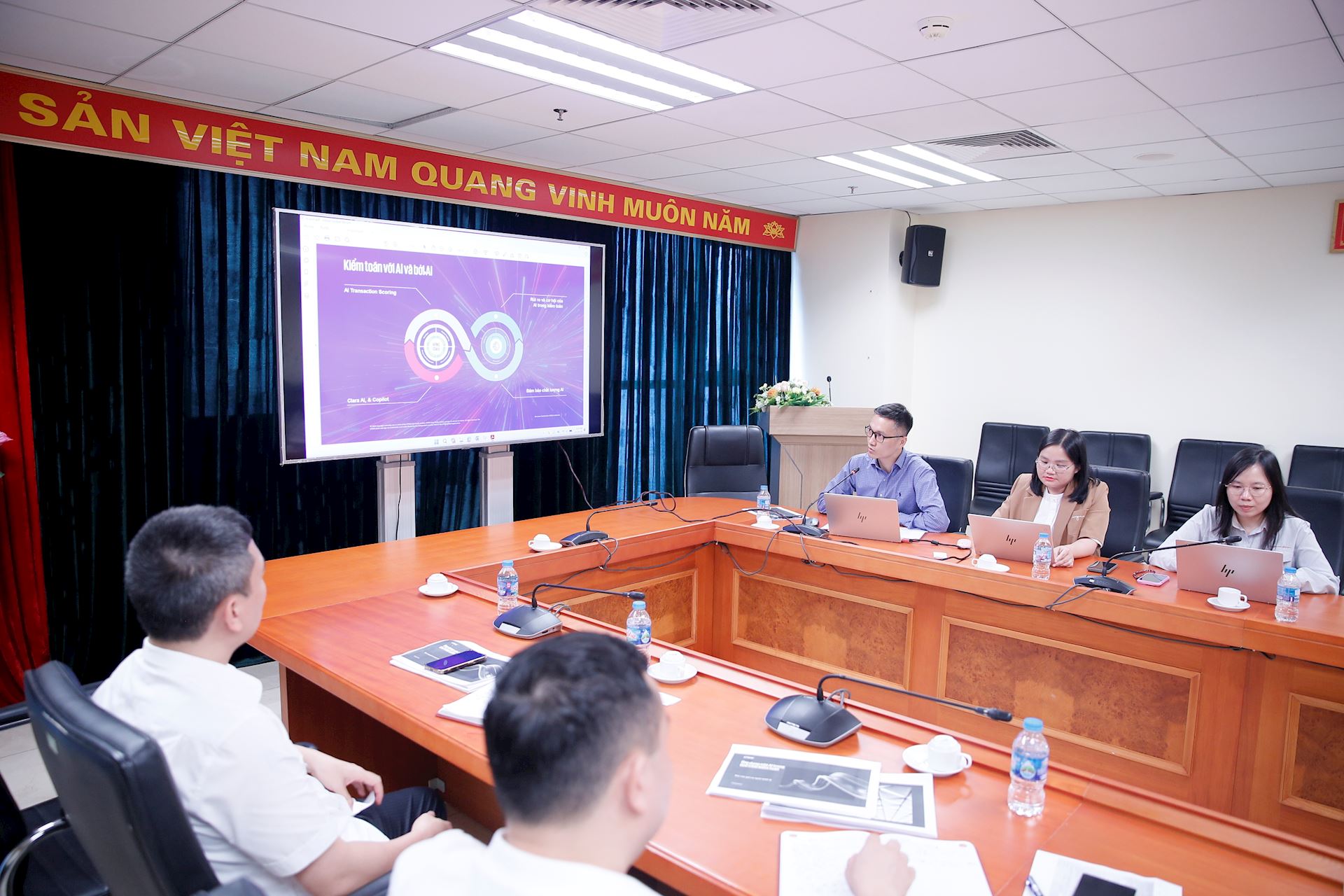
Các chuyên gia KPMG chia sẻ tại Tọa đàm.

Từ thực tiễn nghiên cứu và phát triển công nghệ nội bộ, các công chức của Cục CNTT đã chủ động đặt nhiều vấn đề, trao đổi cụ thể về cách thức vận hành thực tế của quy trình này. Phía Cục CNTT tập trung làm rõ các tiêu chí đánh giá rủi ro an toàn thông tin khi tích hợp công cụ mới, kinh nghiệm xử lý các bài toán phát sinh khi kiểm thử độc lập, cũng như cách thức quản lý hiệu suất công việc của kiểm toán viên khi áp dụng các ứng dụng hỗ trợ kỹ thuật trên diện rộng nhằm đảm bảo tính bảo mật tuyệt đối cho dữ liệu ngành.

Phương pháp luận nền tảng, chọn mẫu và thủ tục kiểm toán chuyên sâu

Đi sâu vào khía cạnh kỹ thuật cơ bản, KPMG đã giới thiệu giải pháp AI Transaction Scoring (AITS) - Chấm điểm giao dịch tự động. Về bản chất phương pháp luận, đây là một thủ tục phân tích chi tiết giúp quét dữ liệu, phân tầng rủi ro và nhận diện các bút toán nhật ký rủi ro cao để kiểm toán viên tập trung xử lý.

Tuy nhiên, khi phát hiện các giao dịch vượt ngưỡng rủi ro cho phép, nhóm kiểm toán sẽ ngay lập tức kích hoạt các thủ tục kiểm tra chi tiết riêng biệt. Điển hình như đối với phần hành trọng yếu Doanh thu, KPMG kết hợp phương pháp chọn mẫu trực tiếp từ quần thể dữ liệu để đối chiếu tài liệu gốc (hợp đồng, hóa đơn, phiếu xuất kho...), từ đó xác nhận tính phù hợp và kiểm chứng lại độ tin cậy của mô hình chấm điểm tự động.

Những nội dung thảo luận chuyên sâu từ việc phát triển ứng dụng hỗ trợ kiểm toán cho đến thực tế triển khai các thủ tục phân tích, kiểm tra chi tiết dựa trên nền tảng AI của KPMG là nguồn tư liệu quý báu để Cục CNTT nghiên cứu, học hỏi; từ đó tiếp tục tham mưu cho lãnh đạo Kiểm toán nhà nước nhằm tối ưu hóa quy trình và tăng cường hàm lượng công nghệ vào công tác kiểm toán công trong thời gian tới.

26/10/2026 2
In an interview with Audit Magazine regarding the audit results of the 2025 State Budget (SB) final accounts, Pham Thuy Chinh, Vice Chairwoman of the National Assembly's Committee on Economic and Financial Affairs, emphasized the need to tighten fiscal discipline, improve the quality of budget estimates, restructure revenue sources and use public funds efficiently. In particular, the State Audit Office of Vietnam (SAV) must strengthen its early-warning role by identifying risks from budget allocation through to budget management and utilization, thereby helping unlock resources for sustainable growth.
View details
23/10/2026 2
Effective utilization of electronic data not only helps the State Audit Office of Vietnam (SAV) improve audit quality and reduce audit time, but also serves as a key pillar in modernizing its operations, ensuring transparency and adapting flexibly to the digital economy.
View details
23/10/2026 2
State budget revenue in 2025 exceeded the estimate, while key financial safety indicators remained under control. However, audit findings revealed shortcomings in revenue composition, budget allocation and expenditure. Land-related revenue accounted for a large share of total revenue, budget carryovers continued to increase, public investment disbursement remained slow, and advances stayed high. These issues underscore the need to tighten fiscal discipline and improve the efficiency of public resource utilization.
View details
22/10/2026 9
The audit of local budget management and the 2025 local budget finalization report of Quang Ninh Province (now Quang Ninh City) identified several shortcomings in budget estimation, allocation, expenditure management, monitoring of salary reform funds, and the implementation of public investment projects. The State Audit Office of Vietnam (SAV) recommended financial adjustments totaling more than VND 54.8 billion and called for corrective measures to address shortcomings in the management and use of public finances.
View details
22/10/2026 8
On the evening of October 19, in Hanoi, Member of the Party Central Committee and State Auditor General Nguyen Huu Nghia visited the National Convention Center to inspect the venue for the international conference entitled “Supreme Audit Institutions in a New Context: Vision, Institutions and Innovation.”
View details
21/10/2026 11
Following the directions of the State Auditor General, State Audit Office of Vietnam (SAV) Specialized Audit Department V is stepping up efforts to urgently complete its audit assignments, as little time remains in 2026 and the workload is substantial.
View details
21/10/2026 9
On the afternoon of October 20, the Department of International Cooperation of the State Audit Office of Vietnam (SAV) held a training session on protocol, logistics, and event arrangements for 22 liaison officers and members of the support team serving the international conference entitled “Supreme Audit Institutions in a New Context: Vision, Institutions and Innovation.” Nguyen Viet Hung, Deputy Director General of the Department of International Cooperation, chaired the training session.
View details
20/10/2026 19
On the afternoon of October 17, during the second session of the 16th National Assembly, the National Assembly heard the submission and appraisal report on the draft Law amending and supplementing a number of articles of the Law on Accounting and the Law on Independent Auditing.
View details
20/10/2026 12
In 2025, state budget revenue exceeded the estimate by 36.8%, the budget deficit stood at 3.1% of GDP, and public debt amounted to 33.35% of GDP. However, the audit of the 2025 state budget final accounts revealed persistent shortcomings in revenue management, expenditure administration, and public investment disbursement.
View details
19/10/2026 12
In comments on the draft amended Law on Metrology, State Auditor General Nguyen Huu Nghia proposed adding provisions allowing the State Audit Office of Vietnam (SAV) and competent state agencies to connect to, access, share, and use measurement data free of charge to perform their functions and duties in accordance with the law.
View details
19/10/2026 14
The Ministry of Finance has announced the fourth batch of Vietnamese Public Sector Accounting Standards, comprising two standards governing accounting for investments in associates and joint ventures, and joint arrangements, as part of its continued efforts to improve accounting regulations in the public sector.
View details
16/10/2026 12
During the first nine months of 2026, while efforts to streamline and reorganize the organizational structure continued to be implemented decisively, the State Audit Office of Vietnam (SAV) maintained unity, made concerted efforts and proactively carried out its political tasks in a coordinated and effective manner. As the fourth quarter begins—the final stretch marked by a substantial workload—Auditor General Nguyen Huu Nghia has directed all units to urgently complete the 2026 work plan in its entirety, ensuring progress and quality, with a particular focus on the Audit Plan. At the same time, units must proactively prepare for 2027, making digital transformation and technology application a breakthrough in improving audit effectiveness.
View details
Head Office
Representative Office
Northern Branch
Ho Chi Minh City Branch
Key thời gian làm việc
Copyright © 2026 CPA VIETNAM AUDIT. All rights reserved. Website designed by Tat Thanh
Access statistics
Total visits: 487958 Currently visiting: 325
Website Policy