CPA VIETNAM AUDITING COMPANY LIMITED
Qualified services, global understanding and vision

Tạo hành lang pháp lý vững chắc để Kiểm toán nhà nước đổi mới và phát triển

16/07/2026 - 09:00      59 view
Tổng Kiểm toán nhà nước Nguyễn Hữu Nghĩa nhấn mạnh, việc sửa đổi, bổ sung Luật KTNN hướng đến khắc phục hạn chế, bất cập, vướng mắc trong quy định của Luật KTNN hiện hành cũng như sự chồng chéo, mâu thuẫn giữa Luật KTNN với các luật có liên quan. Đồng thời, bổ sung những quy định pháp lý để thúc đẩy cho việc đổi mới, phát triển KTNN theo thông lệ, chuẩn mực quốc tế.
Nội dung chính[ẩn][hiện]

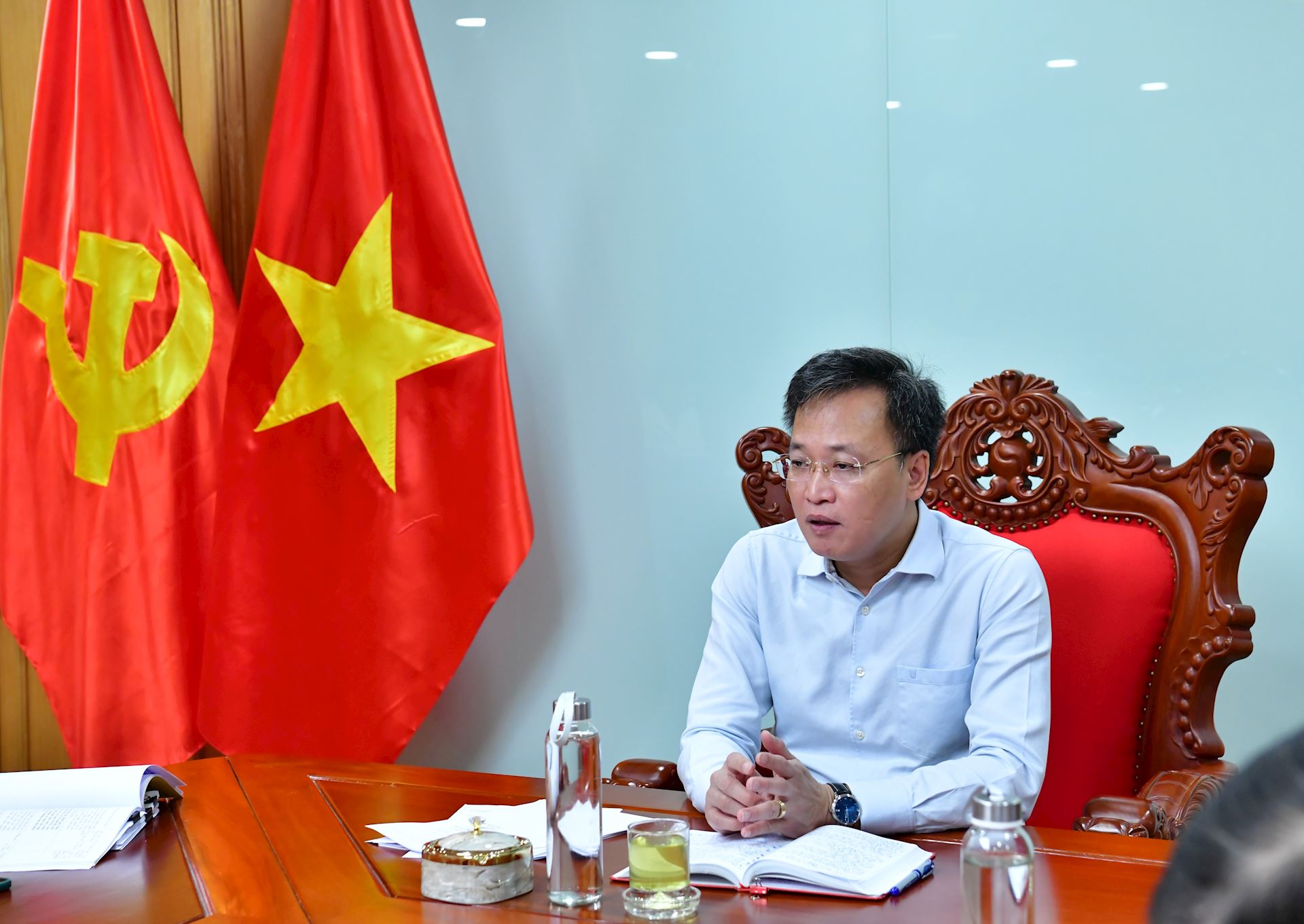
Tổng Kiểm toán nhà nước Nguyễn Hữu Nghĩa chủ trì buổi làm việc. Ảnh: Thu Hường

 Sáng 15/7, Tổng Kiểm toán nhà nước Nguyễn Hữu Nghĩa đã chủ trì buổi làm việc với Tổ giúp việc Ban Chỉ đạo đánh giá, tổng kết thực hiện Luật Kiểm toán nhà nước (KTNN) năm 2025 (sửa đổi, bổ sung năm 2019) và sửa đổi Luật KTNN nhằm trao đổi, thảo luận về những định hướng lớn trong đánh giá, tổng kết và sửa đổi, bổ sung Luật KTNN.

Tham dự buổi làm việc có Phó Tổng Kiểm toán nhà nước Trần Minh Khương, Vụ trưởng Vụ Pháp chế Hoàng Phú Thọ và các thành viên Tổ giúp việc.

Tại buổi làm việc, Tổng Kiểm toán nhà nước Nguyễn Hữu Nghĩa cho biết, để thực hiện việc đánh giá, tổng kết thực hiện Luật KTNN năm 2025 (sửa đổi, bổ sung năm 2019) và sửa đổi Luật KTNN, Ban Chỉ đạo đã tiến hành Phiên họp thứ nhất; phân công nhiệm vụ các thành viên trong Ban Chỉ đạo và đã ban hành kế hoạch rất cụ thể về nhiệm vụ triển khai từ nay đến tháng 5/2028 - khi trình Quốc hội xem xét Dự án Luật.

Trong bối cảnh yêu cầu về tiến độ xây dựng pháp luật diễn ra rất khẩn trương, Tổng Kiểm toán nhà nước yêu cầu cần bám sát lộ trình kế hoạch đã đặt ra để triển khai các nhiệm vụ bảo đảm tiến độ.

Trong đó, Tổng Kiểm toán nhà nước nhấn mạnh, nhiệm vụ quan trọng nhất là công tác rà soát, tổng kết thi hành Luật KTNN. Đây là nội dung then chốt, là căn cứ quan trọng nhất để xác định các vấn đề hạn chế, bất cập trong chính Luật KTNN hiện hành, cũng như sự bất cập, thiếu đồng bộ giữa Luật KTNN với hệ thống pháp luật hiện như Luật Ngân sách nhà nước, Luật Quản lý, sử dụng tài sản công… để đề xuất sửa đổi, tháo gỡ.

Cùng với đó, Tổng Kiểm toán nhà nước cũng nhấn mạnh yêu cầu, việc sửa đổi, bổ sung Luật phải tạo dựng một hành lang pháp lý vững chắc để KTNN đổi mới và phát triển nhanh, tiệm cận với thông lệ quốc tế trong tổ chức, quản trị vận hành và trong hoạt động KTNN.

Với quan điểm đó, Tổng Kiểm toán nhà nước đã gợi mở một số vấn đề lớn cần quan tâm trong sửa đổi, bổ sung Luật KTNN lần này.
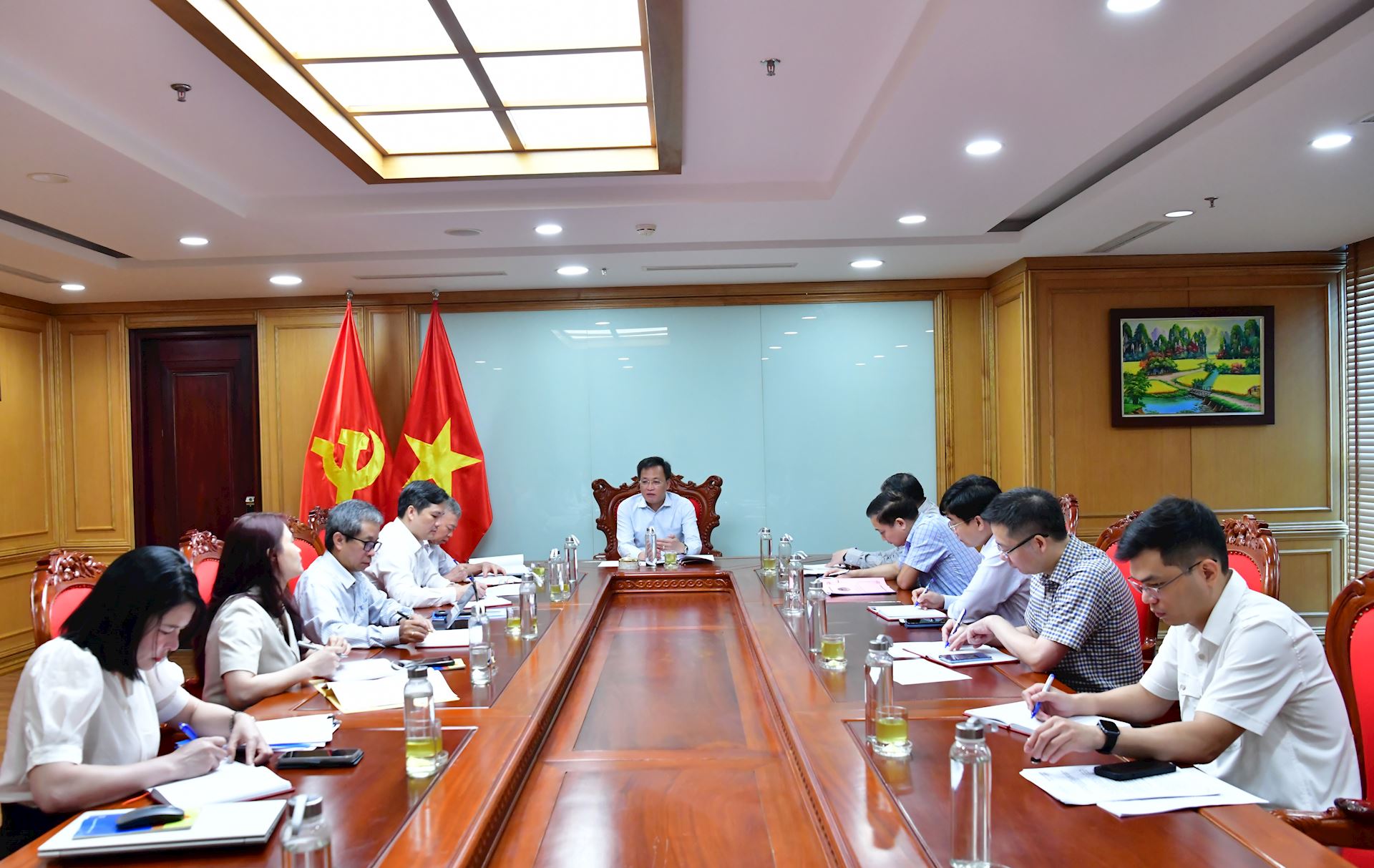
Quang cảnh buổi làm việc. Ảnh: Thu Hường

Tại cuộc họp, các thành viên tổ giúp việc đã tập trung thảo luận, đóng góp ý kiến về nhiều nội dung trọng tâm phục vụ sửa đổi Luật KTNN, tập trung vào các vấn đề như: hoàn thiện địa vị pháp lý của KTNN, làm rõ phạm vi, đối tượng kiểm toán; kiểm toán trên môi trường số, tăng cường kết nối, khai thác dữ liệu phục vụ hoạt động kiểm toán; phân cấp, phân quyền trong hoạt động KTNN; quy định về kiểm toán hoạt động nhằm đánh giá tính hiệu lực, hiệu quả trong quản lý, sử dụng tài chính, tài sản công, ngân sách nhà nước; quyền hạn của KTNN; kiểm soát quyền lực, phòng, chống tham nhũng, lãng phí trong hoạt động KTNN…

Các ý kiến nhấn mạnh việc tiếp tục làm rõ vị thế của KTNN trong hệ thống chính trị hiện nay, tiếp tục khẳng định tính độc lập tương đối của KTNN trong hệ thống chính trị và là cơ quan Hiến định; khẳng định vai trò quan trọng của KTNN trong hệ thống quản lý nhà nước và quản trị công của đất nước trọng hiện tại và tương lai.

Các ý kiến cũng đề xuất việc tham khảo, vận dụng các kinh nghiệm, thông lệ, chuẩn mực kiểm toán quốc tế trong quá trình sửa đổi Luật; việc thể chế hóa các quan điểm, chủ trương của Đảng, Nhà nước trong các quy định của Luật…

Kết luận buổi làm việc, Tổng Kiểm toán nhà nước nhấn mạnh, các ý kiến trao đổi, thảo luận đã góp phần hình thành nên định hướng ban đầu; những vấn đề rất cốt lõi, có tính chất nền tảng trong tổ chức và hoạt động KTNN cần phải được xem xét, chỉnh sửa hoặc bổ sung vào Luật KTNN.

Tổng Kiểm toán nhà nước nhấn mạnh, việc sửa đổi, bổ sung Luật KTNN phải hướng đến đáp ứng hai yêu cầu: Một là, khắc phục hạn chế, bất cập, vướng mắc trong quy định của Luật KTNN hiện hành cũng như sự chồng chéo, mâu thuẫn giữa Luật KTNN với các luật có liên quan. Hai là, bổ sung những quy định pháp lý để mở đường, thúc đẩy việc đổi mới, phát triển KTNN theo thông lệ, chuẩn mực quốc tế, nhất là một số lĩnh vực kiểm toán mới nổi.

Tổng Kiểm toán nhà nước đề nghị, Tổ giúp việc cần tổng hợp các ý kiến trao đổi tại buổi làm việc, làm cơ sở định hướng cho việc xây dựng báo cáo tổng kết, đánh giá và kiến nghị những vấn đề cần sửa đổi, bổ sung trong Luật KTNN tới đây.

Tổ trưởng Tổ giúp việc chủ động phân công nhiệm vụ cụ thể cho các thành viên trong Tổ; chủ động đề xuất đặt hàng, lấy ý kiến chuyên gia, nhà khoa học trong và ngoài nước để có thêm tư liệu, góc nhìn độc lập phục vụ việc sửa Luật.

16/11/2026 8
Despite spending 99.6% of its allocated budget for the 2025–2026 financial year, South Africa's Department of Sport, Arts and Culture (DSAC) has yet to address longstanding weaknesses in governance and financial controls. The Auditor-General of South Africa (AGSA) has warned that numerous gaps in the internal control system are increasing the risk of fraud, undermining budget efficiency and accountability.
View details
16/11/2026 6
On the afternoon of November 13, as part of his official visit and working trip to the Republic of Belarus, State Auditor General of Vietnam Nguyen Huu Nghia and his delegation held a bilateral meeting with Deputy Prime Minister of Belarus Aleksandr Terekhov, Head of the Belarusian delegation to the Vietnam–Belarus Intergovernmental Commission on Trade, Economic, Scientific and Technical Cooperation.
View details
13/11/2026 16
On November 12, in Minsk, the capital of Belarus, as part of an official working visit to the Republic of Belarus, a high-level delegation from the State Audit Office of Vietnam (SAV), led by Auditor General Nguyen Huu Nghia, held a bilateral meeting with the State Control Committee of the Republic of Belarus, headed by its Chairman, Vasily Gerasimov.
View details
13/11/2026 22
The rapid adoption of artificial intelligence (AI) across organizations is outpacing existing governance and control capabilities. The accelerated development of generative AI, AI agents, and the unauthorized use of AI tools (“shadow AI”) poses significant challenges related to transparency, data security, and accountability. In response to these emerging risks, internal audit functions must innovate their methodologies, enhance professional competencies, and strengthen oversight to ensure that AI applications are managed safely and effectively.
View details
12/11/2026 21
Disbursed investment capital from the state budget in the first 10 months of 2026 was estimated at VND 783.9 trillion, equivalent to 69% of the annual plan and up 19.8% year-on-year. Total registered foreign investment reached USD 54.85 billion, an increase of 74%, while disbursed foreign direct investment (FDI) amounted to USD 24.08 billion, up 13.1%. Increasing capital inflows are providing additional momentum for the economy. However, the key issue is not merely how much capital can be mobilized and disbursed, but more importantly, how much value, productive capacity, and competitiveness each unit of investment capital can generate.
View details
12/11/2026 20
The restructuring and streamlining of the political system's organizational apparatus, together with the implementation of the two-tier local government model, have resulted in adjustments to the functions, responsibilities, audited entities, and designated focal points of various agencies and organizations. Consequently, although many audits have been completed and recommendations issued, some recommendations may not yet have been fully implemented. It is therefore essential to ensure their timely and comprehensive handover and receipt to maintain continuity in monitoring, follow up on all outstanding recommendations, and prevent any omissions. The implementation of audit recommendations is a decisive factor in determining the effectiveness and efficiency of audit activities and serves as a basis for the State Audit Office of Vietnam (SAV) to demonstrate its performance and accountability to the National Assembly and the public.
View details
11/11/2026 30
The State Audit Office of Vietnam (SAV) is expected to strengthen data-driven auditing, remote auditing, thematic auditing and performance auditing in the coming years, with a particular focus on auditing public resources, development programs, nationally important projects and macroeconomic policies of the Party and the State, thereby serving the common interests of the country and its people.
View details
11/11/2026 21
Data should not only be regarded as a source of information for individual audits but also as a digital asset of the State Audit Office of Vietnam (SAV), requiring centralized management, consistent utilization and long-term reuse to support auditing activities, management, administration and strategic planning.
View details
10/11/2026 17
The Standing Committee of the Party Committee of the State Audit Office of Vietnam (SAV) has recently issued Official Letter No. 1614-CV/DU on communication activities commemorating the 80th anniversary of the First National Cultural Conference (November 24, 1946 – November 24, 2026), Vietnam Culture Day (November 24), and the Great National Unity Festival (November 18).
View details
10/11/2026 18
The State Audit Office of Vietnam (SAV) has recently published the results of a thematic audit on the management and use of public investment capital in Khanh Hoa Province during the 2021–2025 period. The audit revealed that 53 projects had to be suspended after their investment policies were approved; one project had achieved a disbursement rate of only 18.76% as of the audit date; and another project, scheduled for completion and handover in 2026, had only begun its investment preparation procedures by July 2026, when the audit was conducted.
View details
09/11/2026 38
On the morning of October 8, the Vietnam Association of Accountants and Auditors (VAA), in coordination with the Lao Cai Provincial Department of Finance, held the opening ceremony of a professional training conference on financial management for commune-level officials, civil servants, and public employees across the province at the Department of Finance's headquarters.
View details
09/11/2026 29
In its latest enforcement action, the State Securities Commission of Vietnam (SSC) has named several enterprises for violations involving periodic disclosure obligations, inaccurate information disclosure, securities issuance regulations, corporate governance reporting, and accounting personnel information.
View details
Head Office
Representative Office
Northern Branch
Ho Chi Minh City Branch
Key thời gian làm việc
Copyright © 2026 CPA VIETNAM AUDIT. All rights reserved. Website designed by Tat Thanh
Access statistics
Total visits: 487958 Currently visiting: 325
Website Policy