Pre-contract audits help identify legal, financial, and technical risks in large-scale public investment projects at an early stage, thereby preventing losses and waste while improving the efficiency of state capital utilization. The experience of the Hellenic Court of Audit is one of the key areas the State Audit Office of Vietnam (SAV) is interested in exploring to refine its auditing methodologies and strengthen a proactive approach to risk prevention.
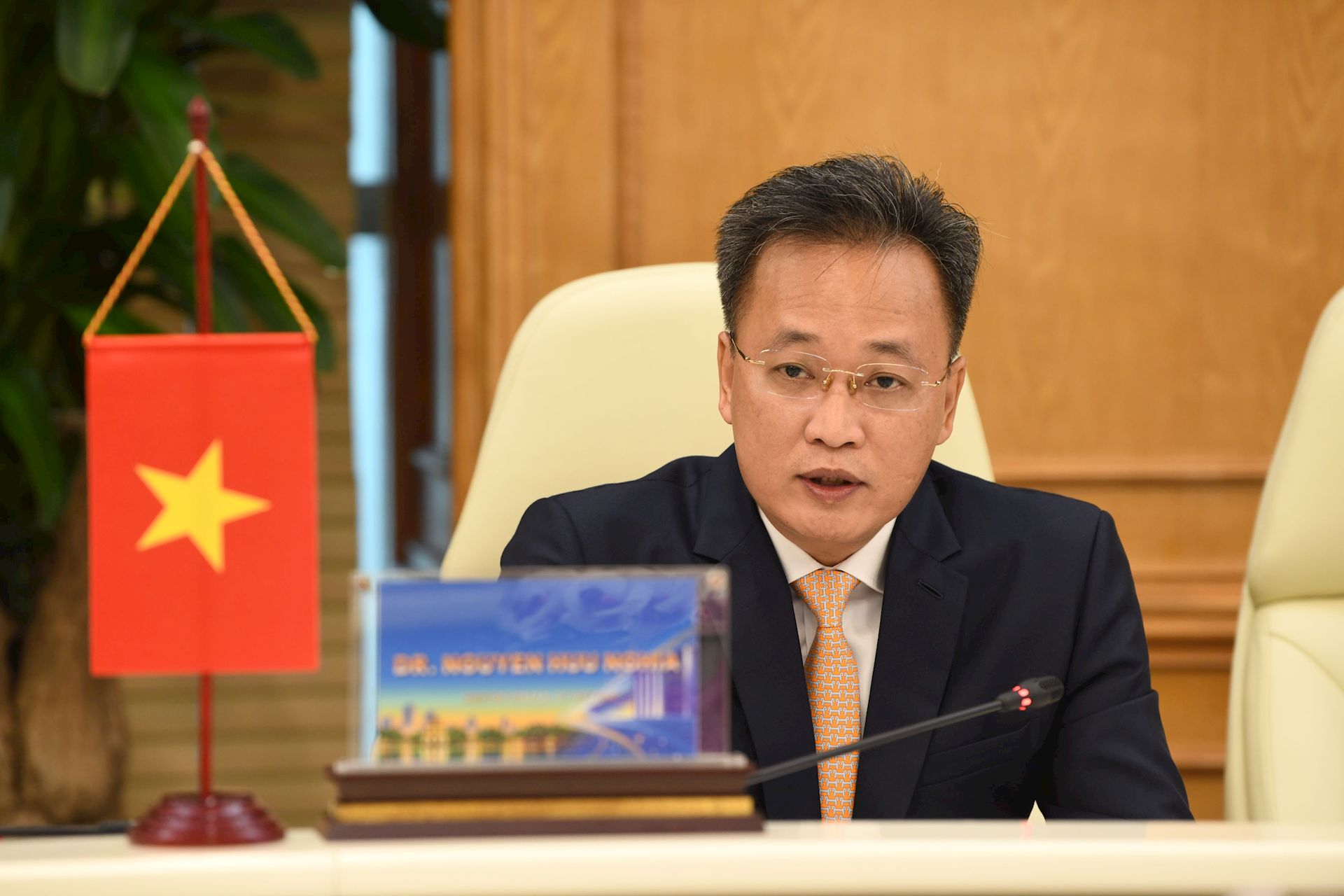
State Auditor General Nguyen Huu Nghia delivers the opening remarks. Photo: Nhu Y
On the sidelines of the international conference “Supreme Audit Institutions in a New Context: Vision, Institutions and Innovation,” the SAV and the Hellenic Court of Audit held a professional conference on “Pre-Contract Auditing of Large-Value Public Investment Projects” on the morning of October 26.
The conference was co-chaired by State Auditor General Nguyen Huu Nghia and President of the Hellenic Court of Audit Sotiria Ntouni.

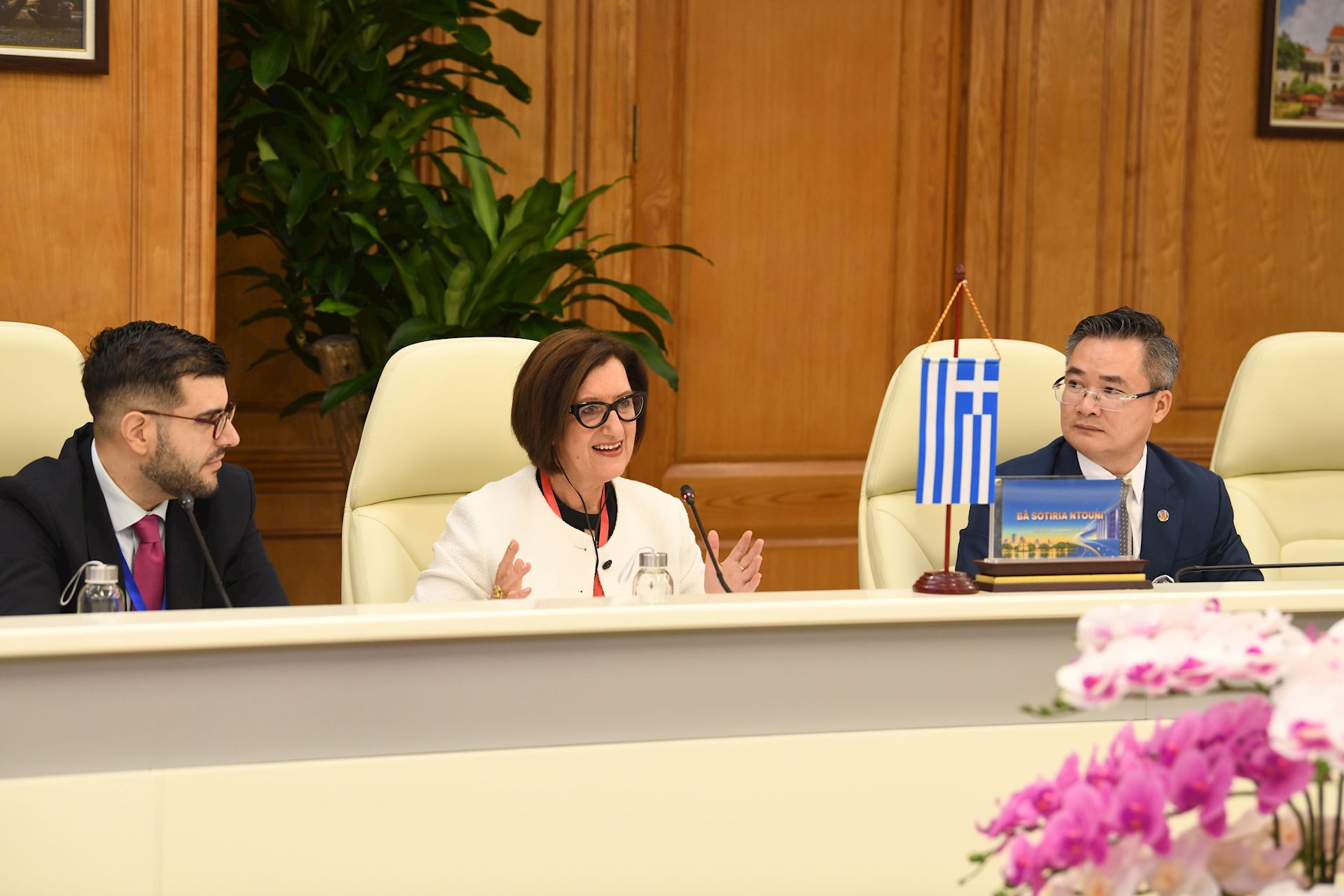
Ms. Sotiria Ntouni, President of the Hellenic Court of Audit, delivers her remarks. Photo: Nhu Y
Representing the SAV were Deputy State Auditor General Ha Thi My Dung and leaders from the Department of International Cooperation, Department of General Affairs, Department of Legal Affairs, Department of Audit Policies, Information Technology Department, Inspectorate, specialized State Audit units, regional State Audit units, and the School of Auditing Training and Professional Development.
Representing the Hellenic Court of Audit was Mr. Emmanouil Kalaintzis, Junior Judge of the Hellenic Court of Audit.
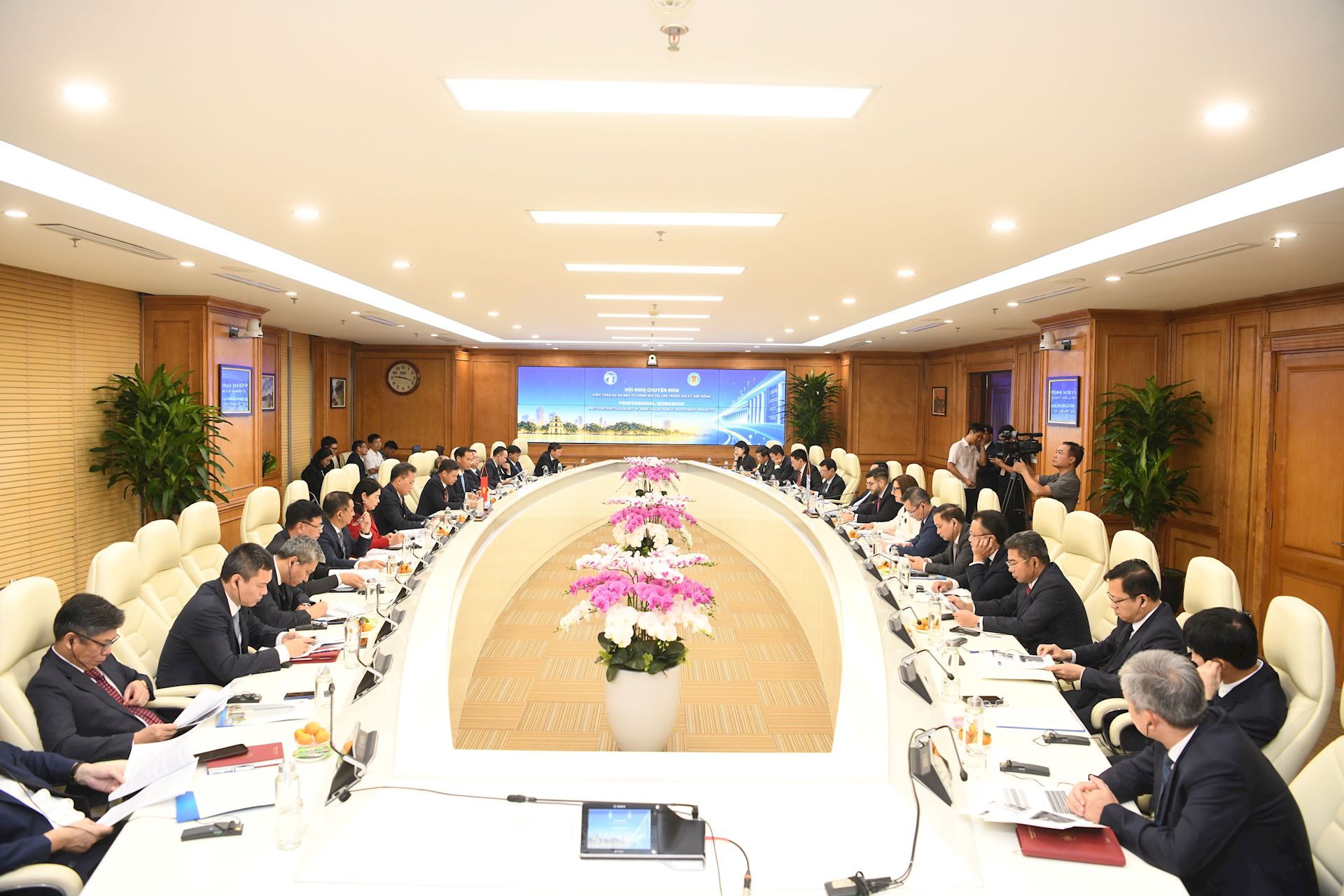
Overview of the conference. Photo: Nhu Y
Early Auditing to Prevent Public Investment Risks
In his remarks, State Auditor General Nguyen Huu Nghia emphasized that, after more than 32 years of establishment and development, the SAV has continuously improved its organizational structure, methodologies, and operational quality, contributing to more effective management and use of public finances and public assets, stronger financial discipline, and efforts to prevent and combat corruption and wastefulness.
In the current context, the SAV has been assigned the responsibility of auditing draft contracts before signing for certain particularly important projects. Under National Assembly Resolution No. 189/2025/QH15, the investor of the Ninh Thuan 1 and Ninh Thuan 2 nuclear power projects must submit turnkey contract drafts to the SAV for audit within a maximum period of 30 days as a basis for contract signing. This marks a shift toward the early scrutiny of commitments that may have significant implications for national resources.
Investment practices show that shortcomings in surveys, design, total investment estimation, contractor capacity assessments, and contractual risk allocation can lead to cost overruns, delays, and reduced efficiency in the use of state capital. Therefore, pre-contract auditing is intended not only to detect errors but also to identify and prevent risks from the investment preparation stage.
State Auditor General Nguyen Huu Nghia called on the Greek side to share further insights into the legal basis, organizational methods, scope of assessment, evaluation criteria, and approaches to addressing issues identified during pre-contract audits. Key areas of interest included assessing project feasibility, reviewing total investment estimates, risk management, controlling contractual terms, and strengthening accountability.
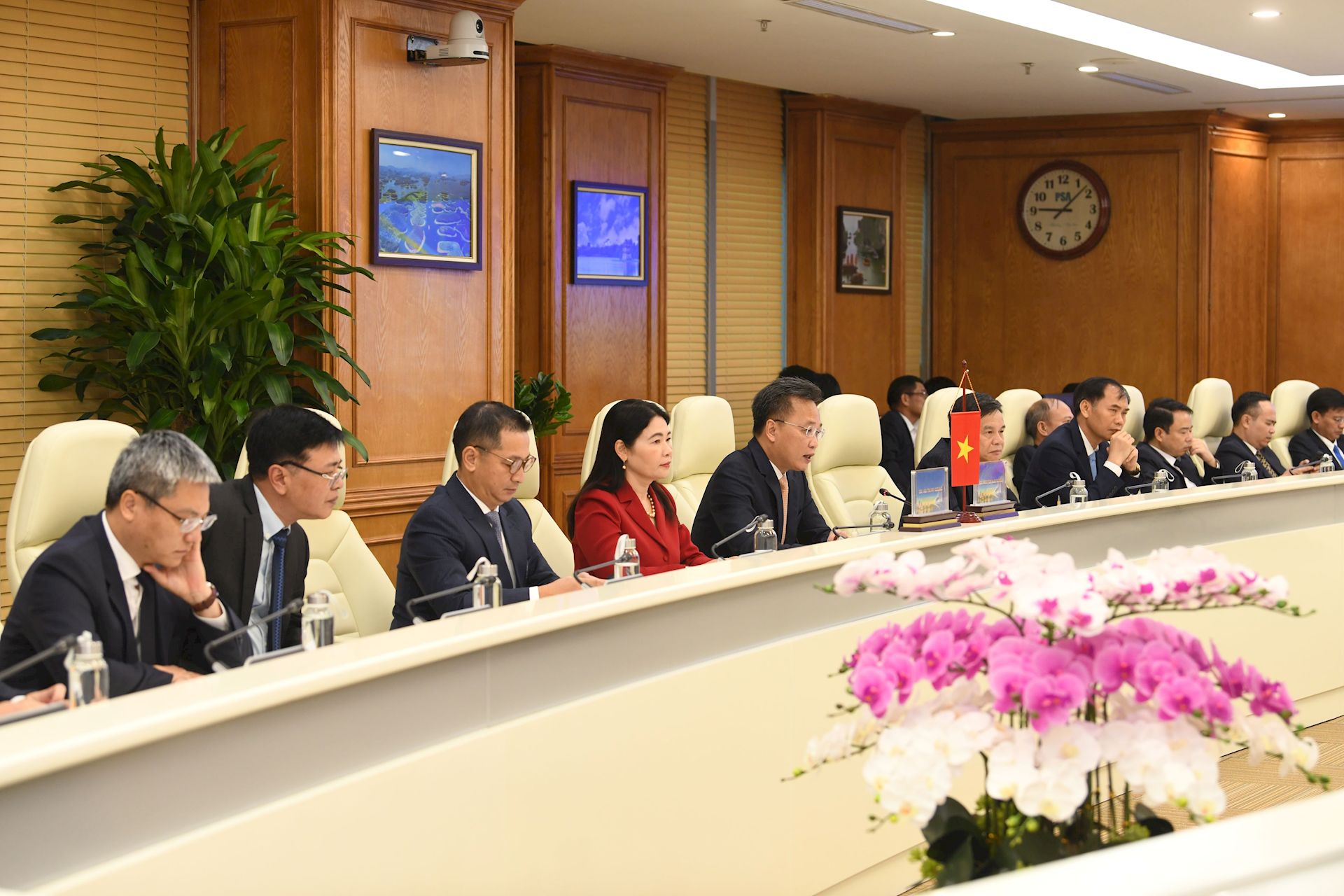
Delegates attending the conference. Photo: Nhu Y
At the conference, Tran Van Hao, Chief Auditor of Specialized State Audit Unit V, shared the SAV’s experience across eight key areas: assessing feasibility from the investment preparation stage; establishing realistic total investment estimates; ensuring the quality of surveys and designs; managing risks before contract signing; selecting qualified contractors; clearly allocating risks in contracts; rigorously reviewing large-scale and high-technology projects; and strengthening accountability and preventive controls.
According to Tran Van Hao, the key priority is to shift from an approach focused on inspection and the detection of violations to proactive prevention from the investment preparation stage. This approach helps minimize losses and waste, improve the efficiency of state capital utilization, and enhance transparency and openness in public investment management.
Delegates attending the conference. Photo: Nhu Y
Greece’s Approach to Pre-Contract Control
Sharing Greece’s experience at the conference, Sotiria Ntouni, President of the Hellenic Court of Audit, explained that the institution serves both as the supreme audit institution and as a judicial body in the field of public finance. She emphasized that ensuring transparency and legal compliance in public investment projects is essential to national development. Audit activities must also comply with the legal framework of the European Union (EU).
Emmanouil Kalaintzis, Junior Judge of the Hellenic Court of Audit, stated that since 2001, the institution has conducted ex-ante audits of projects involving high-value contracts. According to the information shared at the conference, contracts valued at more than EUR 300,000, excluding value-added tax (VAT), are subject to auditing, while contracts valued at more than EUR 1.7 million are subject to stricter control requirements involving judges.
Contract documents are submitted to the Hellenic Court of Audit for review before signing. After assessing the procedures and the level of compliance, the institution determines whether the contract meets the requirements for signing. According to the Greek delegation, contracts subject to mandatory auditing cannot proceed if the required audit has not been conducted. Parties that disagree with the outcome may request a review in accordance with the prescribed procedures.
The review process is designed to be completed within 30 days, while in practice, many cases are resolved within approximately 24 days. The contracting authority may conduct an internal review before submitting the documents. If major errors are identified, the Hellenic Court of Audit requests explanations and conducts a more detailed assessment to mitigate risks before the contract is signed.
The Greek delegation also emphasized the importance of market research before preparing cost estimates and tender documents, as well as the need to provide justifications for projected costs. Market data provides a basis for assessing the reasonableness of estimates, while contractors’ financial capacity, experience, and ability to meet technical requirements must be thoroughly examined.
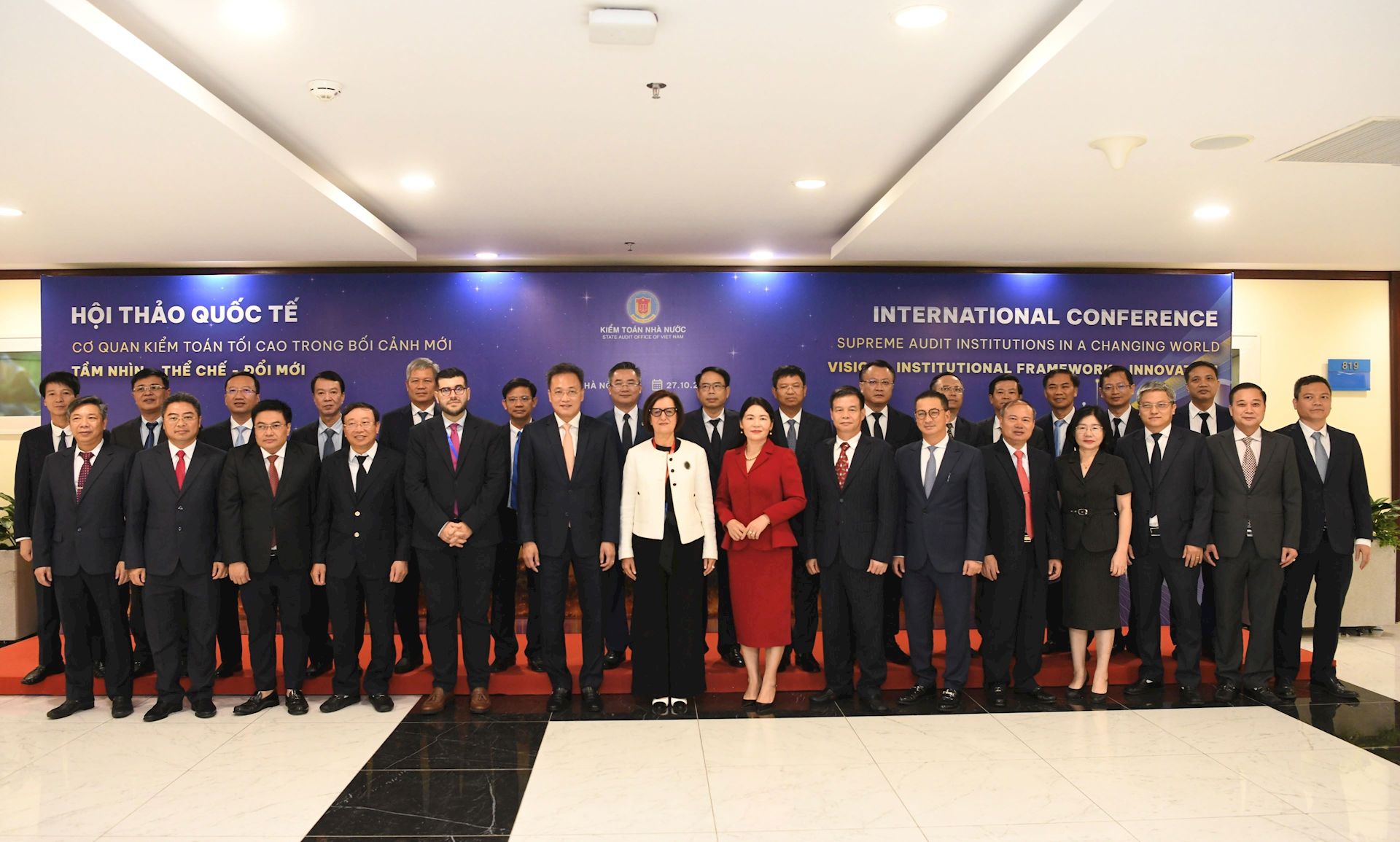
Delegations from the SAV and the Hellenic Court of Audit pose for a commemorative photo. Photo: Nhu Y
Improving Coordination Mechanisms and Promoting Bilateral Cooperation
During the discussion session, State Auditor General Nguyen Huu Nghia raised questions about whether pre-contract audits could affect project implementation timelines, the Hellenic Court of Audit’s authority to suspend procurement packages, and how disagreements between the audit institution and the audited entity are handled.
According to Sotiria Ntouni, an effective pre-contract auditing mechanism requires a clear legal framework, adequate resources, and specific regulations defining the scope and evaluation criteria. Contracting authorities must rigorously conduct feasibility studies, environmental impact assessments, and technical reviews, while thoroughly evaluating contractors’ capabilities. Communication and coordination between the Hellenic Court of Audit and contracting authorities are also important at every stage of the procurement process.
In his closing remarks, State Auditor General Nguyen Huu Nghia highly appreciated the practical experience shared by the Greek delegation and proposed that the two institutions maintain exchanges of senior officials and experts; share documents, auditing methodologies, and case studies; consider organizing training and professional development programs for auditors; and strengthen coordination at international forums such as INTOSAI, ASOSAI, and EUROSAI.
The leaders of both institutions expressed their desire to sign a Memorandum of Understanding (MoU) in the near future, establishing a framework for practical cooperation in the coming period.
The exchange of experience in pre-contract auditing not only contributes to improving professional methodologies but also highlights the need to strengthen risk controls from the moment the State prepares to commit public resources. This approach is significant for public investment governance, as project efficiency should be assessed from the preparation and contract-signing stages rather than only after the capital has been utilized.